If you thought Nevada County was just going to coast through summer with a few hot days and mild evenings, think again. Between July 24 and July 28, 2025, we got hit with a lightning show that was part jaw-dropping spectacle, part nerve-wracking fire danger. Nearly 29,000 strikes lit up the skies across Northern California during those few days—with a staggering 18,833 strikes in a single day on July 25 alone. And while some folks were watching in awe from their porches, others were checking the Ready Nevada County alerts every 10 minutes, wondering if those flashes came with fire.
This wasn’t your average summer storm. It was a high-energy, dry lightning event—meaning most strikes came with little or no rain to help dampen fuels. Across the Sierra foothills and up toward Tahoe, these strikes lit up the landscape in record numbers.
The problem? Dry lightning is one of the most dangerous wildfire triggers we have. With humidity dipping near 30% and wind gusts clocking in at 60 mph, the conditions were perfect for starting and spreading fires. Dozens of small blazes ignited during the storms—thankfully contained quickly—but smoldering hot spots in remote areas remain a watch point for crews.

What Makes Dry Lightning So Dangerous
When lightning strikes dry fuels, especially in remote terrain, it can start “sleeper fires” that take hours—or even days—to flare up. The wet winter we had left us with an explosion of grasses and brush, which dried out fast in early summer heat. That means Nevada County was basically wearing wildfire kindling like a summer jacket.
And these storms didn’t just happen in daylight. Nighttime lightning rolled in too, making it harder for fire crews to spot ignitions right away.

What People Experienced on the Ground
From trees exploding after direct hits to rocks cracking on ridgelines, the raw energy of these strikes was no joke. Some residents reported that the strikes were so close, their hair stood on end—a sign of a dangerously charged atmosphere.
For context: if you count less than 30 seconds between a lightning flash and the thunder, you’re within about six miles of the strike.
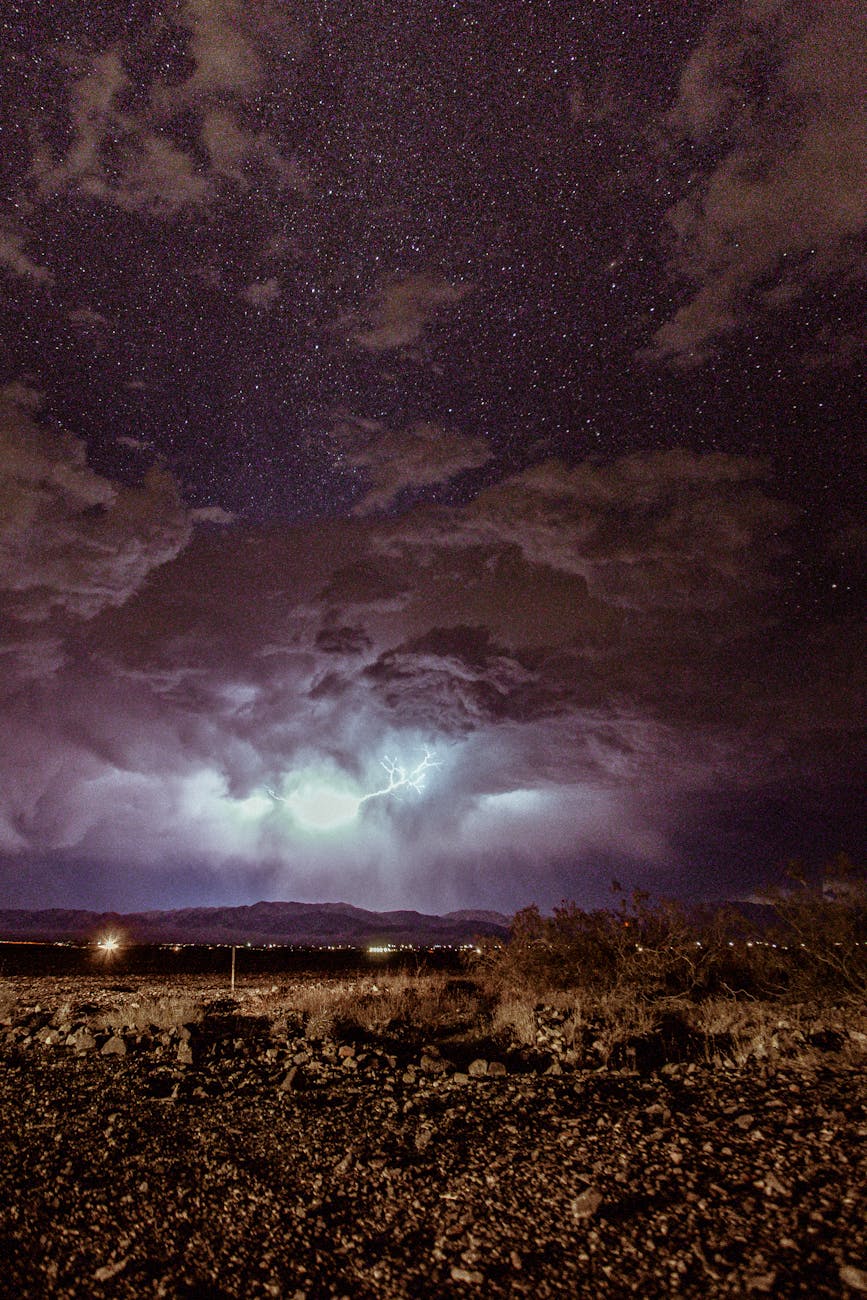

We’ve seen this pattern before: extreme lightning coupled with strong winds is the recipe for some of California’s most destructive fires. The Tamarack Fire in 2021 started as a small, lightning-caused fire. What makes July 2025 different is the sheer volume of strikes in such a short time.
The takeaway? This is the season to make sure your defensible space is clear, your go-bag is packed, and your evacuation plan is ready. Mother Nature just sent us a very loud reminder.
The beauty of a Sierra summer sky can turn dangerous in seconds. Let’s keep our communities safe by preparing now, staying alert, and sharing safety tips with neighbors who might not know the risks.
Want to stay in the loop with all things Nevada County?
Subscribe for straightforward Nevada County insights—delivered right to your inbox.


What’s your take? Drop it below!