If you’re anything like me, you’ve probably stared at a shelf full of sippy cups wondering two things:
Why are there 400 types?
When the heck am I supposed to start using one?
Let me save you a little time and brain space, mama. Starting your baby on a sippy cup doesn’t have to be complicated. Here’s the lowdown on when to introduce it, what kind to get, and how to help your tiny human transition from bottle or boob to big kid sipping—without losing your mind or your furniture to apple juice.

When Should You Introduce a Sippy Cup?
Most babies are ready to try out a sippy cup somewhere between 6 to 9 months old—basically, right around the time they start solids and suddenly want to put everything in their mouth (including your coffee, your phone, and the dog’s tail).
If your baby can sit up independently, is starting to chow down on mashed bananas, and seems weirdly obsessed with your water glass, it might be time to give a sippy cup a go.

Signs They’re Ready to Sip
Not sure if your little one is quite there yet? Here are some clues:
They can sit up without help (and hopefully without face-planting into the highchair tray).
They’re grabbing at your drinks like they’re plotting a hostile takeover.
They’ve started eating solids and know what to do with a spoon—even if they still fling it like a weapon.
Their hand-eye coordination is coming together (on good days).
Choosing the Right Cup (A.K.A. The Quest for the Holy Grail)
Let’s talk about cup types, because yes—this is a thing:
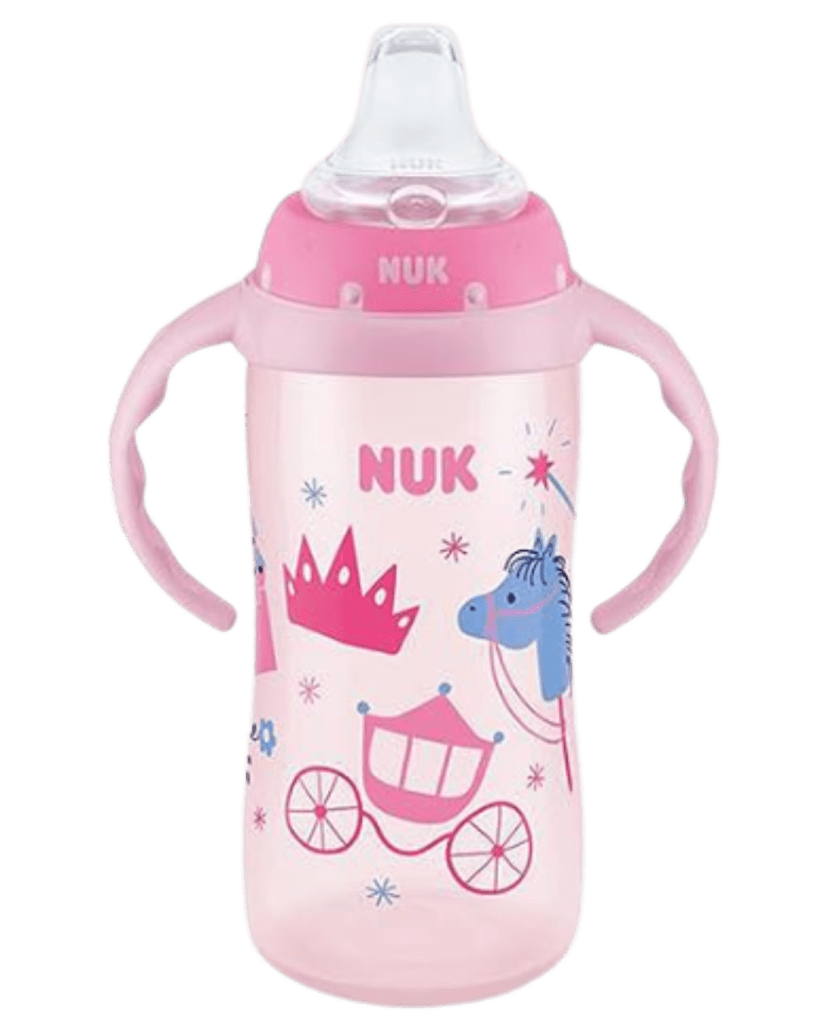
Soft spout cups
Great for newbies. They feel familiar, like a bottle, and help with the first transition
Straw cups
Awesome for oral development and tend to cause less mess than open cups. Key word: tend.

360° cups
Cool because they mimic a regular cup, but only release liquid when your baby sips.

Pro tip? Try a few and see what your baby vibes with. Mine had strong opinions by 7 months. Diva.
What Should You Put in It?
Early on, just a little bit of water during meals is perfect. You can also offer breast milk or formula in the sippy if you’re starting to transition away from bottles.
After 12 months, whole cow’s milk is fair game (unless your pediatrician says otherwise). Skip the juice unless you’re into dental bills and sugar crashes. Keep it simple.
Sippy Cup Tips (From a Mom Who’s Been There)
Model the behavior. Show them how it’s done—even if you feel ridiculous.
Guide their hands. Help them lift, tilt, and sip without making a mess of themselves (or your white rug).
Don’t force it. Meal times are a good low-pressure place to introduce the cup.
Praise the progress. Even if the water goes in their ear instead of their mouth. It’s fine. Totally fine.
When to Ditch the Bottle
The American Academy of Pediatrics recommends weaning off bottles by 12 to 24 months to avoid dental issues and set up healthy habits. That doesn’t mean cold turkey, but introducing the cup early helps ease the transition later on.
Trust me—it’s way easier to break up with the bottle when you’ve got a cute cup full of milk in your back pocket (figuratively speaking… do not put milk cups in your actual back pocket. Don’t ask how I know.)
The switch to sippy cups isn’t just about hydration—it’s one of those sweet, chaotic steps toward independence. Whether your baby takes to it like a pro or flings it across the room in protest, just remember: this is all part of the messy, magical ride of parenting.
Hang in there. Celebrate the small wins (like that first successful sip that doesn’t soak the floor), and give yourself a little grace along the way.
If you found this helpful, don’t forget to subscribe to the blog!
Get real-life parenting tips, hacks, and stories (that won’t make you feel like you’re failing) sent straight to your inbox.


What’s your take? Drop it below!