Northern California’s rugged landscape is as breathtaking as it is unpredictable. In a region where the scent of pine often mingles with the not-so-pleasant aroma of smoke, being prepared for a wildfire isn’t just smart—it’s essential. Whether you’re a longtime resident or a NorCal newcomer, here are the key steps to make sure you and your home are as ready as possible when the fire season hits.

Know Your Risk—and Your Neighbors’ Too
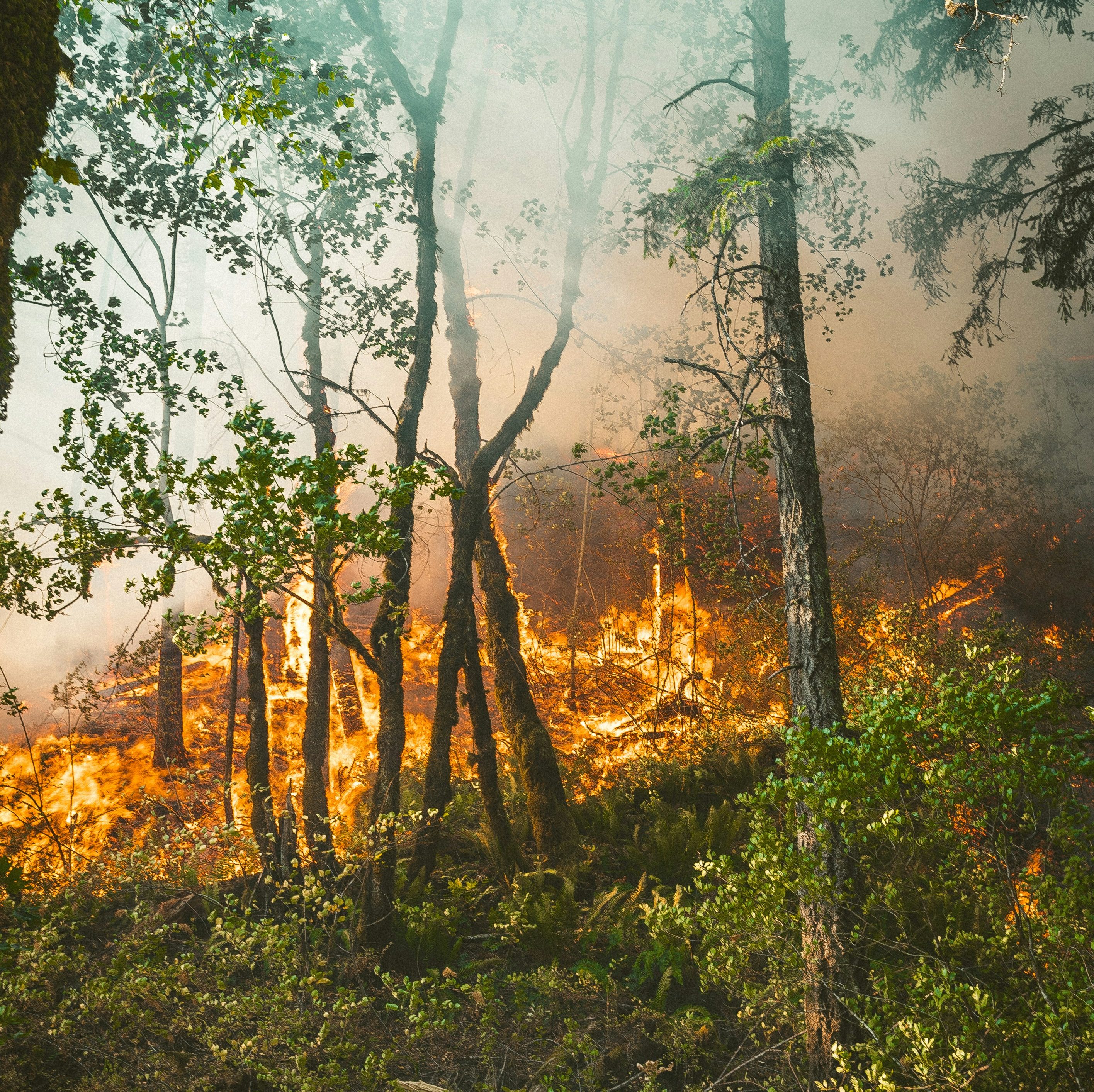
Wildfires in Northern California aren’t a matter of “if” but “when.” With drought, high winds, and the unpredictable twists of climate change, the landscape is literally a tinderbox waiting for a spark. Understanding your local risk is the first step in preparedness.
A good starting point is to review the latest CAL FIRE hazard maps and your community’s wildfire protection plans. Staying informed with apps like “Cal Fire Ready” and “Watch Duty” can help you monitor conditions in real time. Nevada County residents can get fire and more important real time updates through YubaNet. My favorite app to use to monitor fires in real time in Genasys Protect. You can input multiple locations to track making sure all your loved ones are safe all the time.

Create Your Personal and Family Wildfire Action Plan
When it comes to wildfires, preparation is your best defense—and evacuation is your ultimate plan. A comprehensive wildfire action plan should include:
Multiple Evacuation Routes:
Don’t put all your eggs (or go bag contents) in one basket. Identify several escape routes and a predetermined meeting point far from the danger zone. It seems silly but during wildfires there’s a high probability that the phone lines will go down making it impossible to reach anyone.
Family Communication:
Ensure every family member understands the plan. Walk through it regularly so that when the sirens blare and you’ve got minutes to go, you’re not fumbling around like you’re looking for a misplaced TV remote.


Important Documents:
Keep important documents in a fire safe file box in a closet or other tucked away area as close to your exit as possible.
DO NOT LOCK UP IN A SAFE OR OTHER LOCKED AREA.
Copies of all family members’ birth certificates, social security cards, any insurance policies, and driver’s licenses. These papers will be needed for identification, for medical aid and in order to receive aid from government agencies like FEMA.
Copies of titles and registration to all family members cars, RVs, trailers and boats.
Home owners, be sure to have a copy of your deed and any mortgage or loan paperwork that was used for your home.
Renters, have a copy of your rental agreement and any renters insurance policies you have.
The purpose of having all these forms in one easy to grab file box is, should you ever only have minutes to evacuate your home, you can grab the box and go knowing that getting your life back to normal after the fire is out will be much easier.
Medical Needs:
Keep any medications you’re currently on in a bag that is easy to grab and go with. For those taking medicine that has to be kept cold, ALWAYS have ice packs in your freezer and a designated cooler that will be used to transport them.
Pet Provisions:
Have a pet-specific go kit ready, complete with a few days worth of food, water bottles, and even an extra collar or leash. You can also get stickers to place on a window or door of your home that indicates to emergency personnel that there are animals in the home, what kind and how many. This ensures that your pets safely evacuate whether you’re home or not. Remember, you can’t exactly “tell” your dog to download a safety app!

A well-practiced plan minimizes chaos when every second counts. As Cal Fire battalion chief Jesse Torres puts it
“Don’t wait for an evacuation order—get out early to avoid the traffic jam that turns your escape route into a parking lot”.
Harden Your Home—And Your Heart
Home hardening is about reducing the chances that your house will turn into a glorified bonfire. Here are some practical steps:
Defensible Space:
Clear a perimeter of at least 100 feet around your home of brush, dead vegetation, and other flammable materials. Think of it as a “no BBQ zone” for Mother Nature since she’s not invited to get too cozy with your home’s exterior.

Landscaping Wisely:
Replace combustible mulch with nonflammable materials like gravel. Choose fire-resistant plants (California lilac, sage, succulents) to create a barrier that says, “Not today, flames!”
Fire-Resistant Materials:
If you’re in the market for home improvements, invest in fire-resistant roofing, dual-pane tempered windows (and keep them closed during an evacuation), and ember-resistant vents. These upgrades aren’t just aesthetic—they’re functional life-savers.

These measures can be relatively affordable, with retrofitting costs ranging from a modest $2,000 to as much as $15,000 for comprehensive upgrades. It’s an investment in peace of mind—like buying a really good umbrella in a city known for its unpredictable weather.
Pack That Go Bag—No, Not a Bag of Tricks
When wildfires force a hasty evacuation, every minute counts. Your “go bag” should be a carefully curated lifeline containing essentials for at least three days:
Food and Water:
Pack a three-day supply of nonperishable food and at least 3 gallons of water per person.
Medical Supplies:
Include a first-aid kit, any prescription medications, and extra items like glasses or contacts.
Tech:
Your cell phone charger, battery pack, laptop, etc.
Extra Gear:
Consider including N95 masks to help filter wildfire smoke, flashlights with extra batteries, and a map with alternate evacuation routes (because sometimes technology takes a coffee break during a crisis).
What to Pack With Young Children:
For Infants:
Everything your baby may need for at least 3 days including: clothes, diapers, wipes, food, formula, binky’s, etc.
For Toddlers:
Several changes of clothes, diapers/pull-ups/underwear, a stuffy or other small toy, LOTS of snacks
For School Age Kids:
Several changes of clothes, crosswords/word searches/coloring books & crayons/markers, a small toy or other form of entertainment
As emphasized by experts:
“Plan like you’re going on a seven-day trip—because when disaster strikes, it’s not a vacation”.
Embrace Technology and Community Resources
Living in a digital age means you can leverage technology to enhance your wildfire preparedness. Apps like “Wildfire Info”, “Genasys Protect” and “Cal Fire Ready for Wildfire” provide real-time updates, while community programs (such as the American Red Cross preparedness initiatives) offer both online and in-person training sessions to help you build and refine your emergency plan.
Local governments in Northern California are also stepping up their efforts. Many communities offer home visit programs to assess and improve your property’s wildfire resilience. These inspections can guide you in making smart, targeted improvements that may even benefit you during insurance discussions.
While no amount of preparation can guarantee total safety in the face of nature’s fury, a proactive approach can make a significant difference. Think of it this way: if your home becomes a fort, you’re not just playing defense—you’re building a fortress. And let’s face it, there’s nothing more satisfying than knowing you’ve done everything possible to protect what matters most.
Wildfires in Northern California are a serious threat, but with the right mix of technology, planning, and community spirit, you can stand a fighting chance. So, clear your gutters, pack your go bag, and remember: when it comes to wildfires, early evacuation is your best bet. Stay safe, stay smart, and don’t forget to laugh a little—it might just help you keep your cool when the heat is on.


What’s your take? Drop it below!