Being a stay-at-home mom is often portrayed as a beautiful journey filled with delightful moments of bonding, joy, and play. This portrayal is even more amplified through social media platforms where “picture perfect” influencers never seem to skip a beat after welcoming a baby into the world. However, beneath the surface of smiles and laughter there lies a complex reality that can take a toll on any mother’s mental health. The stresses associated with the role can lead to feelings of depression, overstimulation, anxiety, loneliness, and even depersonalization. Understanding these challenges is crucial for creating a supportive environment and fostering well-being for mom’s everywhere.
The Weight of Expectations
Stay-at-home moms often face immense expectations—both from themselves and from society. Many feel pressure to maintain a perfectly organized household, provide memorable experiences for their children, and stay engaged with friends and family without taking time for their own needs. Mix this with poor sleep and this relentless drive can lead to a sense of inadequacy or the feeling of never being “enough.” Let’s dive deeper into the effects that these pressures have on mom’s.
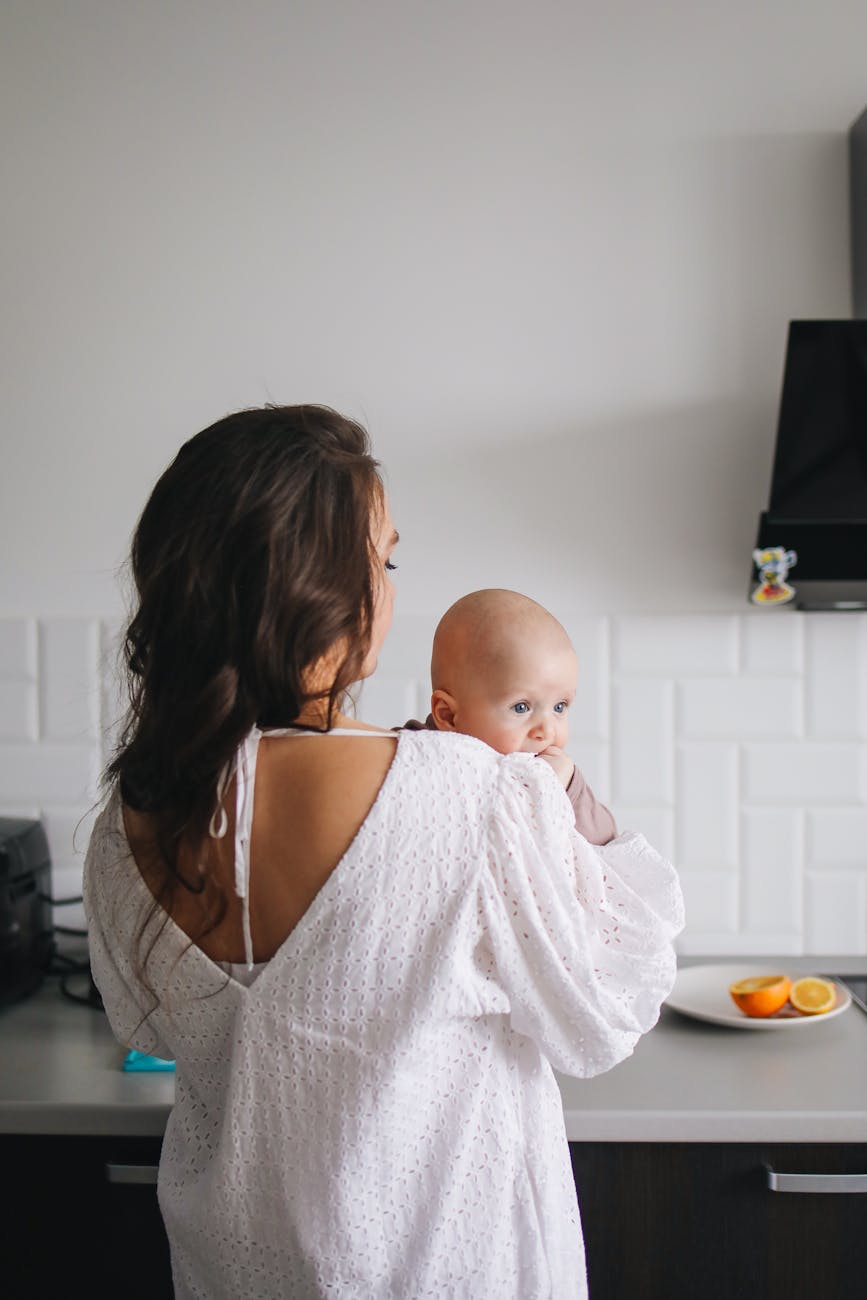
A Silent Struggle

Depression can manifest in various ways for mothers managing the demands of a home and family. The isolation that comes with being at home nearly 24/7 can lead to feelings of sadness and despair. Many women experience postpartum depression (PPD), which is not only related to the hormonal changes postpartum but also from the overwhelming nature of caring for a newborn. Even with a strong support system, PPD can occur and sometimes go unseen. Women who experienced depression or other mental illness prior to becoming pregnant are more susceptible to PPD. Symptoms may include: persistent fatigue, irritability, and a lack of interest in activities once enjoyed.
The Challenge of Constant Demands
Although newborns sleep almost 18 hours a day, they need round the clock care. From diaper changes to feedings, mom’s are often left feeling overstimulated. This feeling of being “constantly touched” only increases as the child grows older. Children are naturally energetic and curious, and stay at home mom’s get the brunt of answering the endless questions. This continuous noise, chaos, and need for constant attention can become draining rather quickly. Add in nights of broken sleep and you’ve got a recipe for an overstimulated mom. Overstimulation can erode the ability to think clearly, leading to extreme irritability and exhaustion.

Feeling Disconnected
This feeling of being “just a mom”…

For some moms, the demands of daily life can lead to feelings of depersonalization. This happens when a mom feels detached from their identity outside of motherhood. They might struggle to reconcile their previous selves with their current roles, leading to a sense of disconnection from their emotions, desires, and, at times, their children. This feeling of being ‘just a mom’ can prompt self-doubt and trigger anxieties. The fear of not providing enough or making mistakes can become paralyzing. Moms can find themselves in a cycle of anxious thoughts, impacting their ability to enjoy the present moment.
Strategies for Mental Health Wellness
- Prioritize Self-Care: Finding time for oneself can be challenging, but it’s essential. Set aside moments for personal interests, relaxation, or simply a quiet cup of coffee. Even short breaks can have a positive impact. Face masks are a great way to get in some self care and relaxation.
- Connect with Others: Seek out other moms for support through playdates, coffee meetings, or online groups. Sharing experiences can foster community and reduce feelings of loneliness.
- Establish Realistic Routines: Implementing a daily routine can provide structure, helping to manage the chaos and reduce feelings of being overwhelmed.
- Seek Professional Help: If feelings of depression, anxiety, or depersonalization become overwhelming, it’s important to reach out for professional support. Therapy can provide valuable tools and a safe space to express feelings.
Stay-at-home motherhood is a rewarding but challenging experience that can significantly impact mental health. By acknowledging the stresses women can then begin prioritizing self-care, seeking connection, and developing coping strategies. Moms can create a more balanced and fulfilling experience if loved ones take these stresses into consideration. Remember, seeking help is a strength, not a weakness, and prioritizing mental health is crucial for both mothers and their families. You are not alone in this journey; there’s a community of women who understand and support you.


What’s your take? Drop it below!