Parenthood resembles a circus—it’s all fun and games until the clowns come in and bring down the big top. The clowns in this analogy are the stress and burnout every parents faces at times. Together let’s explore what to do when the pressure builds, try some techniques for regulating stress, and address that peculiar and well-known feeling of being “touched out.”
Understanding Overwhelm and the “Touched Out” Phenomenon
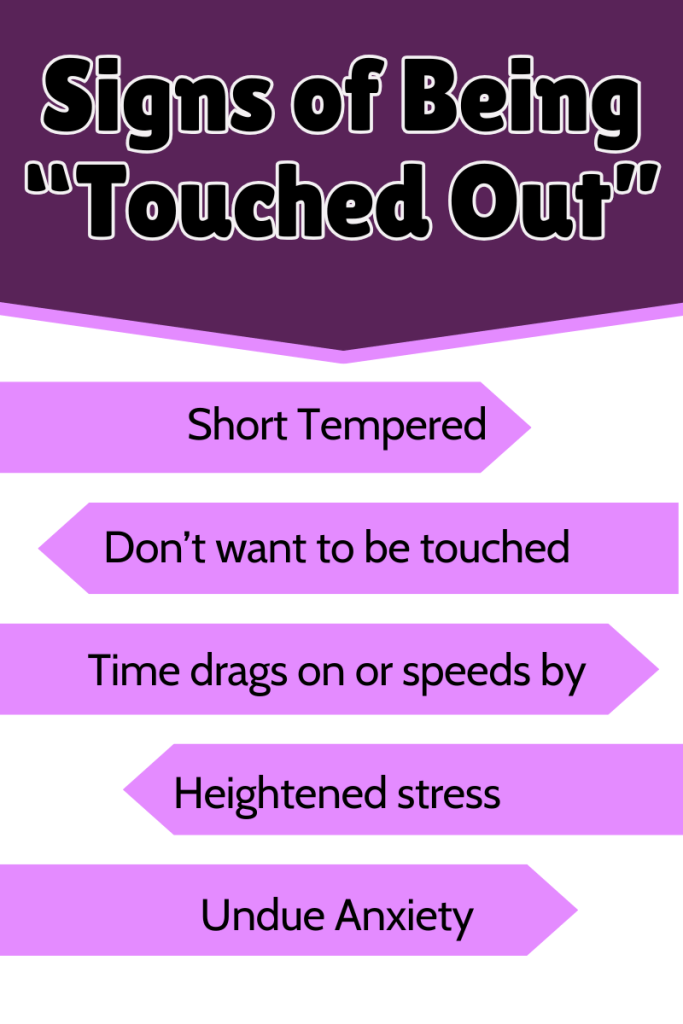
Many parents, especially those with multiple young children, describe what’s commonly known as a state of being “touched out.” It’s a rather a colorful way to explain the sensation of feeling so exhausted and like you no longer have personal space. Despite its name, this feeling doesn’t stem solely from physical touch; a variety of factors can contribute to it. Even the most patient parents will undoubtedly find themselves experiencing this parenting burnout.
While being “touched out” is common, several other factors can contribute to your burnout:
Unpredictable Schedules:
From last-minute school projects to spontaneous playdates, the lack of routine can disrupt your peace.
Balancing Multiple Roles:
Managing work, home, and your personal identity can feel like performing a high-wire act without a safety net.
Emotional Contagion:
Kids mirror our emotions. When you’re stressed, their reactions can amplify your own feelings, creating a cycle of overwhelm.
Social Expectations:
The pressure to be a perfect parent, partner, and professional can leave you feeling like you’re always falling short.

Techniques for Regulating Stress
When the chaos of the day starts to blur into an endless loop of demands, consider these practical techniques:
Schedule “Me Time”:
It may sound cliché, but a scheduled break—even if it’s a half-hour of quiet reading or a brisk walk—can help you recharge. Think of it as a mini power-up in the middle of your day.
Humor as a Buffer:
A little levity can go a long way. When you catch yourself spiraling, try to find humor in the situation. Remember, you’re not alone in the juggling act—even if sometimes it feels like the circus has left town.
Mindfulness and Deep Breathing:
A few moments of conscious breathing can be surprisingly powerful. Find a quiet space—even if it’s just in your car during a school run—and take five deep, deliberate breaths.
Reach Out for Support:
Don’t hesitate to lean on your support network. Sharing your feelings can lighten the load and sometimes even reveal that you’re the only one in the family who’s ever truly “touched out.”
Establish Boundaries:
Learn to say no without guilt. Whether it’s a playdate that you’re not up for or an extra errand you can’t fit in, setting limits is essential.


When You’re Feeling Weird and Overwhelmed
Sometimes, the feelings don’t fit into neat categories. You might feel “weird”—an odd mix of fatigue, irritability, and numbness. In these moments, it’s crucial to:
Try a Change of Scenery:
Even a brief change—stepping outside for fresh air or even rearranging a room—can provide a mental reset.
Journal Your Thoughts:
Writing down your experiences can help untangle the mess in your mind. It also offers a chance to reflect on what triggers your stress and how you can address those triggers.
Acknowledge Your Emotions:
Validate your feelings rather than pushing them aside. Recognizing that you’re overwhelmed is the first step toward regaining control.
Seek Professional Guidance:
If these feelings persist or intensify, consider speaking with a therapist who specializes in stress management or family dynamics.
Parenthood is a rollercoaster of joy, chaos, and the occasional feeling of being utterly “touched out.” By incorporating mindfulness techniques, establishing healthy boundaries, and not hesitating to ask for help, you can navigate the storm with greater ease. Remember, self-care isn’t selfish—it’s the fuel that keeps your parental engine running. So next time you’re feeling weird, overwhelmed, or just plain exhausted, take a moment to breathe, laugh, and reset. You’ve got this.


What’s your take? Drop it below!