Here in Nevada County, as the leaves crunch, the air chills, and jack-o-lanterns start popping up everywhere, I wonder: why do we carve pumpkins? It’s not just about flickering candlelight or front-porch flair. The custom of carving face-laden gourds is a wild ride through ancient festivals, immigrant ingenuity, and community tradition.

The Roots: Celtic Harvests & Turnips in the Dark
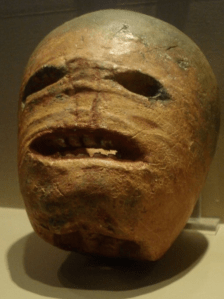
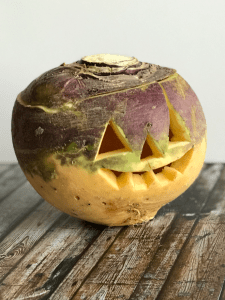
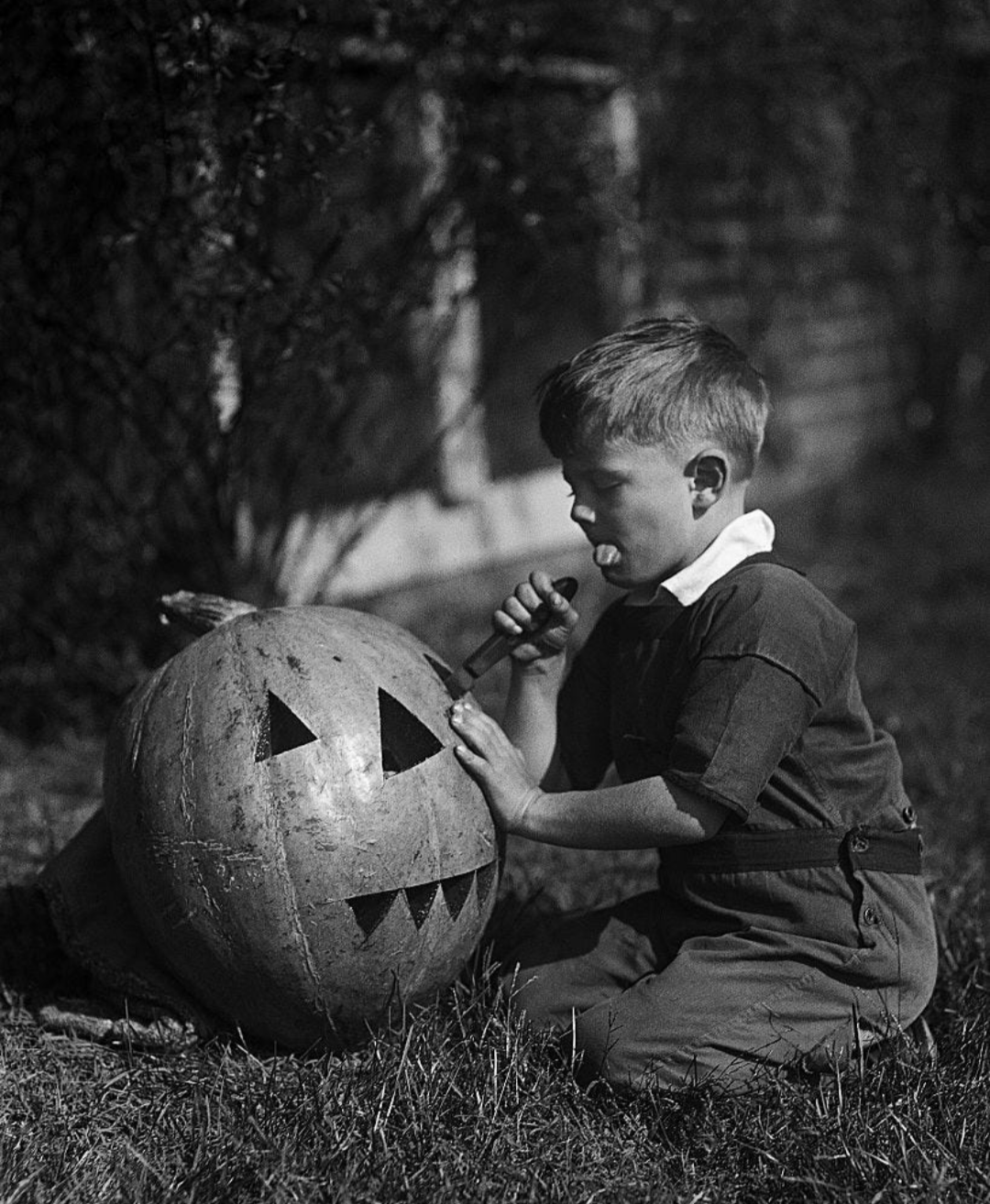
The carving tradition traces back to the old Celtic festival Samhain, when folks believed the veil between the living and dead grew thin. They carved faces into root vegetables—turnips, rutabagas, potatoes—to ward off spirits or guide souls.
The name “jack-o’-lantern” comes from the Irish folktale of Stingy Jack, who tricked the Devil and was doomed to wander with only a hollowed vegetable lit by a coal.
It’s rich, strange, and rooted in harvest and spirit-folklore.
Immigrants, the American Pumpkin, and New Traditions
When Irish and Scottish immigrants came to North America, they brought their lantern-carving customs. But there was a twist: the local pumpkin (a native squash/gourd) was larger, easier to carve, and plentiful. So turnips got replaced by pumpkins.
In fact, the term “jack-o’-lantern” applied to carved pumpkins in American English is first found around 1837.
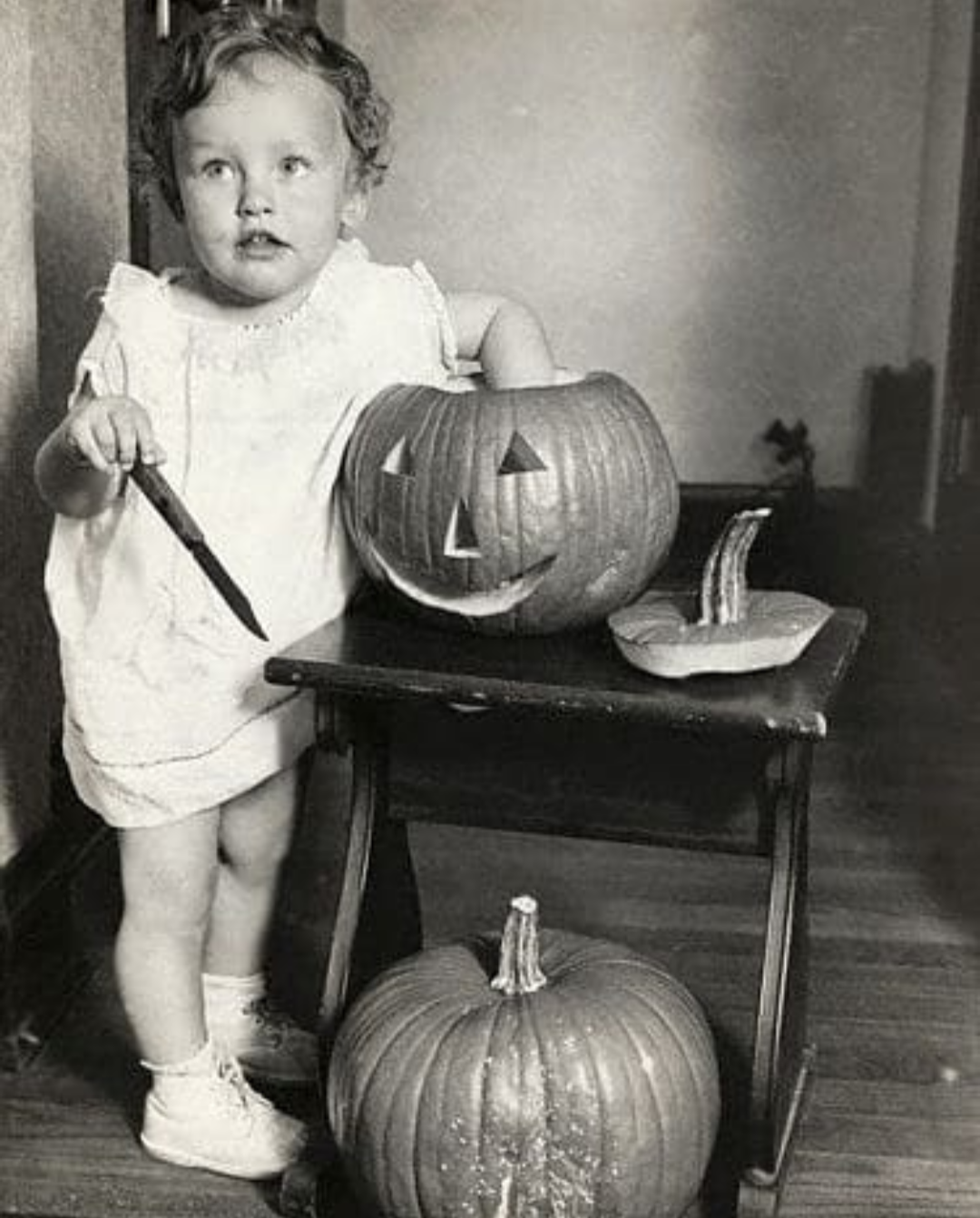
By the late 1800s to early 1900s, Americans embraced the pumpkin lantern as part of autumn/Halloween identity.
One early example: a Canadian newspaper in 1886 reported:
“There was a great sacrifice of pumpkins from which to make transparent heads … lighted up by the unfailing … tallow candle.” (IrishMyths)
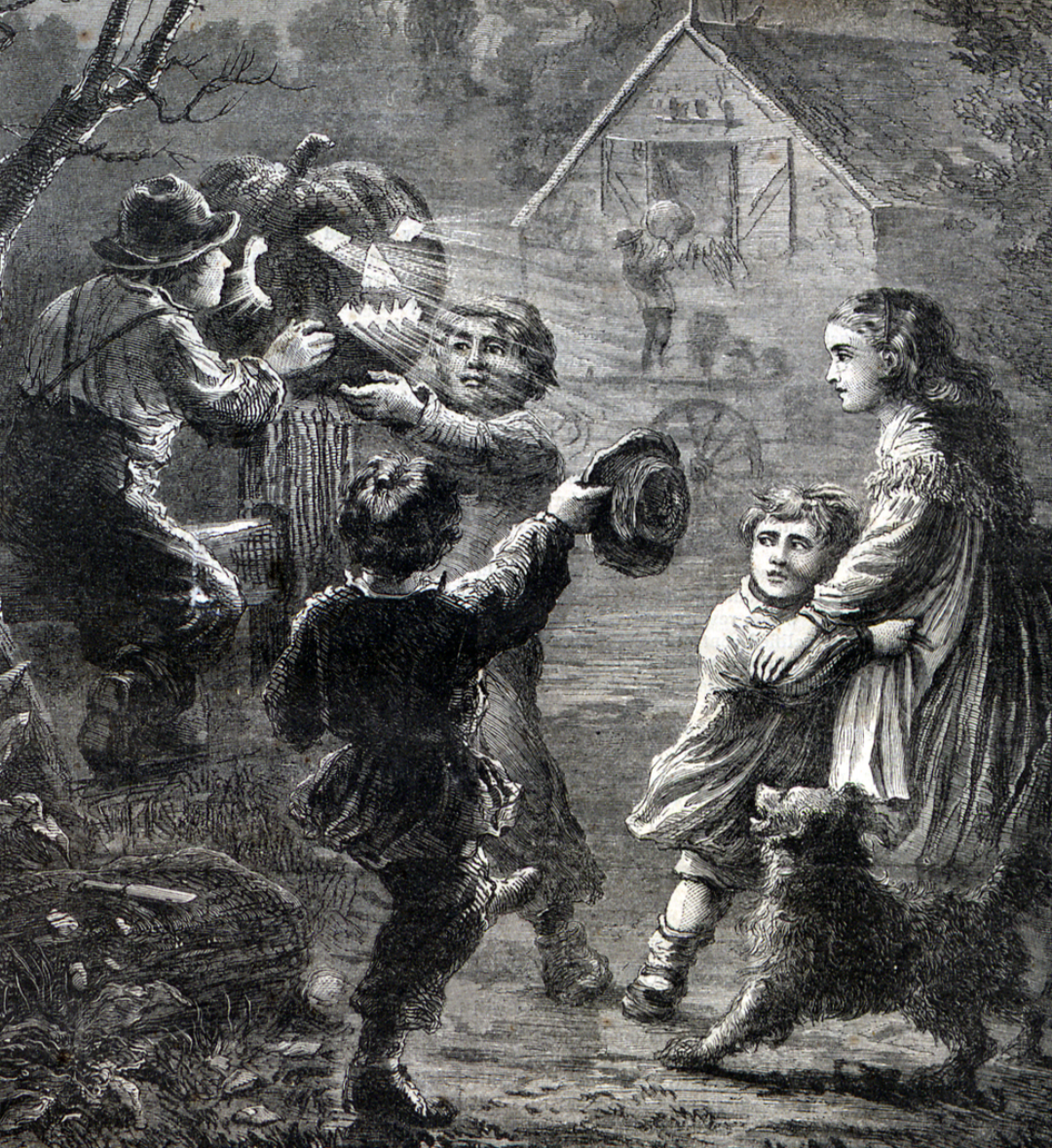
And an 1867 illustration in Harper’s Weekly titled “A Pumpkin Effigy” shows carved gourds, even if not yet full Halloween-festooned.

A Little Pumpkin Magic:
Tips for That Iconic Baby-in-a-Pumpkin Shot
Let’s be real—no fall photo album is complete without that classic “baby in a pumpkin” picture. Equal parts adorable and chaotic, it’s a rite of passage for new parents and a guaranteed scroll-stopper on any feed. If you’re planning to attempt this seasonal masterpiece, here are some tried-and-true tips to keep things cute and comfortable:
Go for short and stout.
Choose a pumpkin that’s wide rather than tall—the plumper the better. Your little one will appreciate the legroom (and so will those adorable baby rolls).
Cut the top strategically.
Slice off the lid right where the pumpkin starts to curve downward. That gives you the most open space possible, which helps a lot with squirmy toddlers and babies who don’t love being stuffed into vegetables.
Shape your leg holes smartly.
Cut oval leg openings—longer vertically than horizontally. It might sound small, but that vertical cut makes sliding in tiny legs way easier.
Line it with cling wrap.
This simple hack saves you from sticky messes and pumpkin itch. Line the inside before you place your little pumpkin in the big pumpkin.
Tag-team it.
It usually takes two adults—one to steady the pumpkin and help the legs go in the leg holes, one to gently lower your baby in.
(Bonus points if one of you keeps a calm voice while the other’s camera is already rolling.)
Be ready to shoot fast.
Have your camera ready to go BEFORE your mini model gets inside. You’ll have maybe 2 minutes before curiosity for the taste of raw pumpkin kicks in.
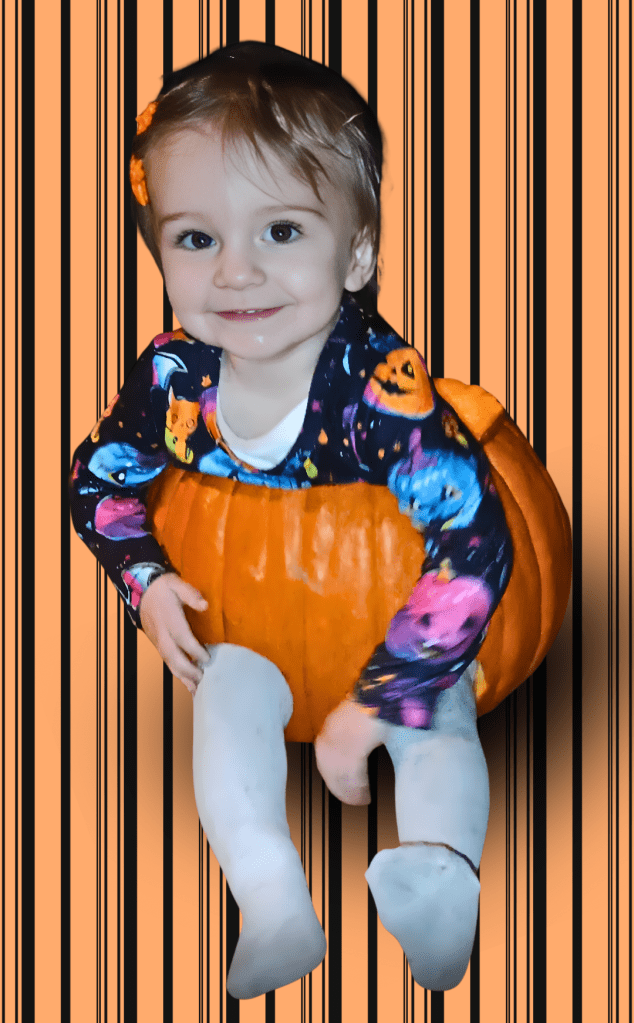
This fall tradition is messy, fleeting, and utterly unforgettable—just like parenting itself. Snap fast, laugh hard, and embrace the chaos. You’ll be glad you did.
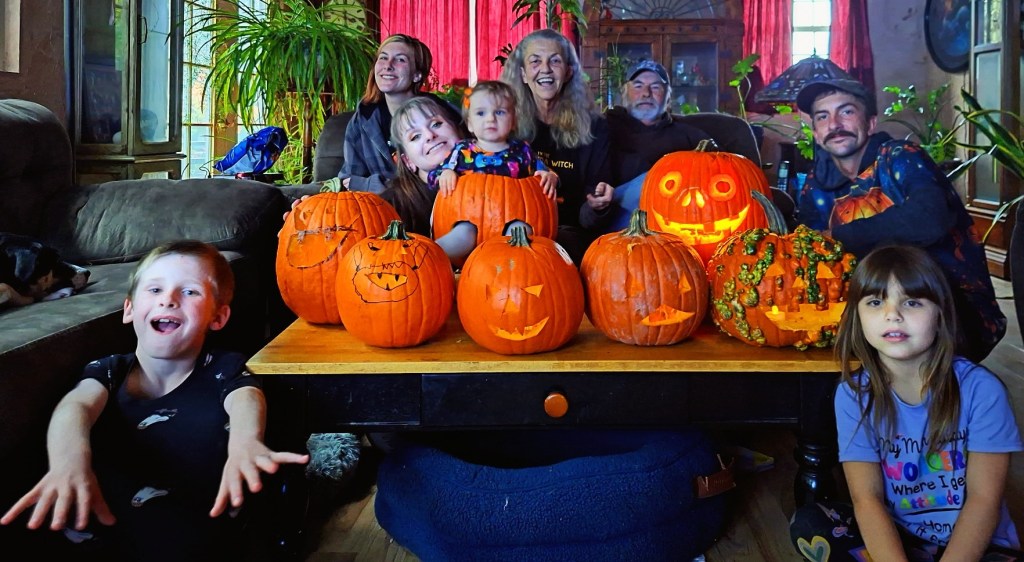
A jack-o’-lantern is more than a decoration—it’s a living ember of history. Each carved grin honors the harvest and whispers thanks to the ancestors who lit their way with turnips and candles. So when you scoop out your pumpkin this year, remember: you’re joining a lineage that stretches from Celtic moors to American porches, from warding off spirits to welcoming neighbors. My family keeps this tradition alive, and I hope yours does too—because traditions like these outlast us, glowing softly long after we’re gone.
Want more stories like this?
Subscribe and join a community that believes
the ittybitty moments matter too.


What’s your take? Drop it below!