Summer might be winding down, but in Nevada County the risk of wildfire is still running high. The heat hasn’t loosened its grip, and with vegetation as dry as kindling, the danger lingers long after the last summer barbecue. While kids are heading back to school and evenings are getting shorter, fire season is far from over—and staying prepared is just as important now as it was in June.

The Reality Check
California is in the middle of one of the most intense heatwaves of the year, and Nevada County is right in the hot seat. Triple-digit days, warm nights that don’t cool us down, and vegetation drier than a stale saltine make for a perfect storm of fire danger. This isn’t just “drink more water and find a shady spot” weather—it’s the kind of climate that tests our readiness as a community.
What Nevada County Is Doing About It
Strategic Planning
The County’s Office of Emergency Services (OES) has rolled out a Wildfire Evacuation Preparedness Action Plan.
Translation: better evacuation routes, stronger warning systems, and fuel breaks to slow potential fire spread.
There’s also a Community Wildfire Protection Plan (CWPP) that maps out high-risk zones and sets priorities for hazardous fuel reduction—basically a “fire hazard hit list” so efforts are focused where they’ll make the most impact.
Grassroots & Local Action
The Fire Safe Council of Nevada County has been at this for decades, helping residents create defensible space around their homes and supporting vulnerable groups like seniors and the disabled.
Nevada City has doubled down too, with vegetation management projects, a Fire Safety Advisory Committee, and funding from Measure C to keep resilience efforts alive.
Infrastructure & Early Warning
Defensible space ordinances are being enforced, and countywide alert systems are in place to get word out fast when emergencies strike. Green waste disposal programs are also running to help residents clear vegetation without the headache of finding a place to dump it.
Cooling Centers for Extreme Heat
During heat emergencies, Nevada County libraries double as cooling centers—free, air-conditioned spaces with water on hand. It’s not just about comfort; it’s a lifesaving option for anyone at risk during extreme heat.
What You Can Do Right Now
Pack a “Go Bag”
Water, meds, maps, copies of important documents, and snacks (because panic is worse on an empty stomach).
Sign up for Alerts
CodeRED and other local systems keep you in the know when minutes matter.
Create Defensible Space
Clear brush, mow smart (not at high noon on a windy day), and use fire-resistant materials where possible.
Get Involved
Schedule a Fire Safe Council visit or volunteer for a community fuel reduction day.
Spread the Word
Share reminders like “Don’t park on dry grass” and “Save mowing for cool mornings.”
Sometimes the simplest prevention makes the biggest difference.
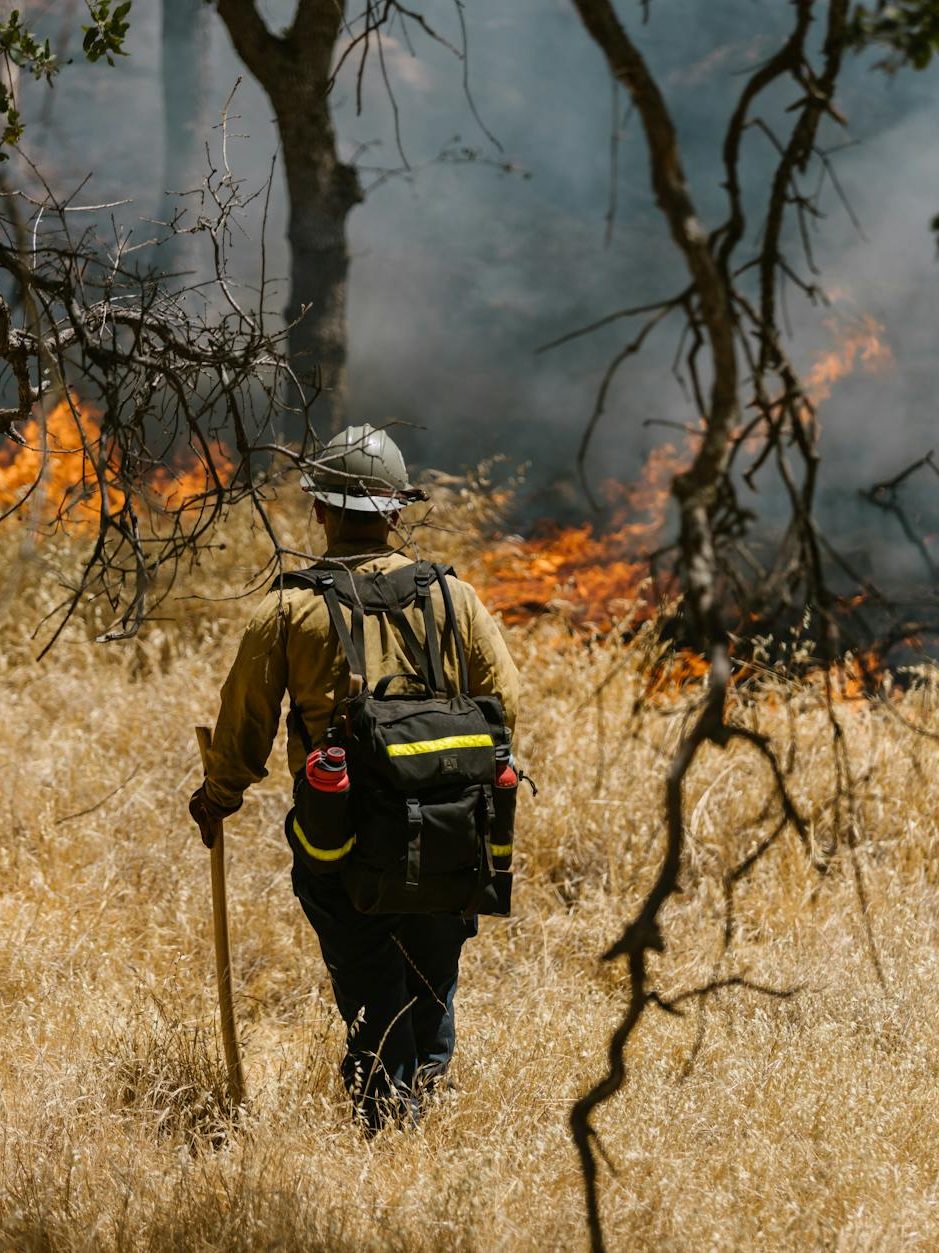
Summer may be fading, but wildfire season in Nevada County doesn’t follow the school calendar. The hot days, dry nights, and brittle landscapes keep the risk alive well into fall. The county is stepping up with evacuation plans, cooling centers, and Fire Safe programs—but the real strength comes from each of us staying alert and prepared.
So while we pack away the swimsuits and sharpen pencils for back-to-school, let’s also sharpen our readiness. Because wildfire doesn’t care what month it is—and neither should our preparation.
Want more local insights, preparedness tips, and a dash of small-town humor?
Subscribe today and stay in the know!


What’s your take? Drop it below!