In today’s fast‐paced world, Millennial’s are standing at a crossroads—juggling burgeoning careers, evolving personal relationships, and a constant drive for self-improvement. Finding the right work-life balance isn’t just a nice-to-have; it’s a necessity for maintaining health, creativity, and long-term success.

Why Millennial’s Need Balance
This is the age when you’re not only scaling your career ladder but also laying the foundation for personal fulfillment. Your twenties and early thirties are a period of transformation—where habits form, priorities shift, and burnout can creep in if you’re not careful. Balancing work and life at this stage means: investing in your long-term well-being while ensuring that your career doesn’t come at the expense of your mental and/or physical health.
For many in this age group, work isn’t just a paycheck; it’s a large part of their identity. However, research shows that today’s younger workforce is increasingly prioritizing flexibility and balance over traditional markers of success like a fat paycheck. In fact, a global survey revealed that work-life balance has recently become the top motivator—surpassing pay for many workers worldwide.


The Benefits of a Well-Balanced Life

Health and Well-Being
A healthy balance isn’t just about reducing stress—it’s about enhancing every aspect of your life. When you carve out time for exercise, hobbies, and social interactions, you’re not only boosting your mood but also increasing your productivity when you’re at work.
Think of it this way: your brain needs a break too, so it can come back to your to-do list with fresh ideas (and maybe even a witty comeback for that email from the boss).
Productivity and Creativity
Overworking might seem heroic, but it often leads to diminishing returns. Employees who manage to balance their work with downtime report higher productivity levels and greater creativity.
After all, if your idea engine runs on empty, even the best spreadsheets will start to look like a nap time memo. A balanced approach means you’re investing in your capacity to innovate—something every employer secretly (or not-so-secretly) adores.


The High Price of Neglect
Ignoring work-life balance can lead to a cascade of negative consequences. Chronic stress and burnout are real dangers, especially when you’re in an age bracket where your career is still taking off. Without adequate downtime, you risk not only mental and physical exhaustion but also a potential derailment of your long-term career goals. It’s like trying to run a marathon on an empty tank—eventually, you’re going to crash.
Moreover, younger workers are increasingly vocal about the need for balance. Studies reveal that Gen Z and Millennials are reshaping workplace expectations, demanding flexible work arrangements and a healthier boundary between work and personal life.
Strategies to Achieve Work-Life Balance
Set Clear Boundaries
Start by defining when your work ends and your personal life begins. This might mean resisting the urge to check your work email at midnight or politely declining that extra meeting that will spill into your evening. Remember, even superheroes need downtime.
Embrace Flexibility
Many companies are now offering flexible work hours and remote work options—a trend that’s here to stay. If your workplace gives you the freedom to choose where and when you work, use it. This flexibility not only improves productivity but also allows you to design a schedule that fits your life, not the other way around.
Prioritize Self-Care
Invest in yourself by carving out time for activities that recharge your mental and physical health. Whether it’s a morning jog, a weekly yoga class, or even a dedicated “unplugged” evening, these practices can help maintain your energy and focus. And yes, that means occasionally pausing your Netflix binge to take a deep breath.


Leverage Technology Wisely
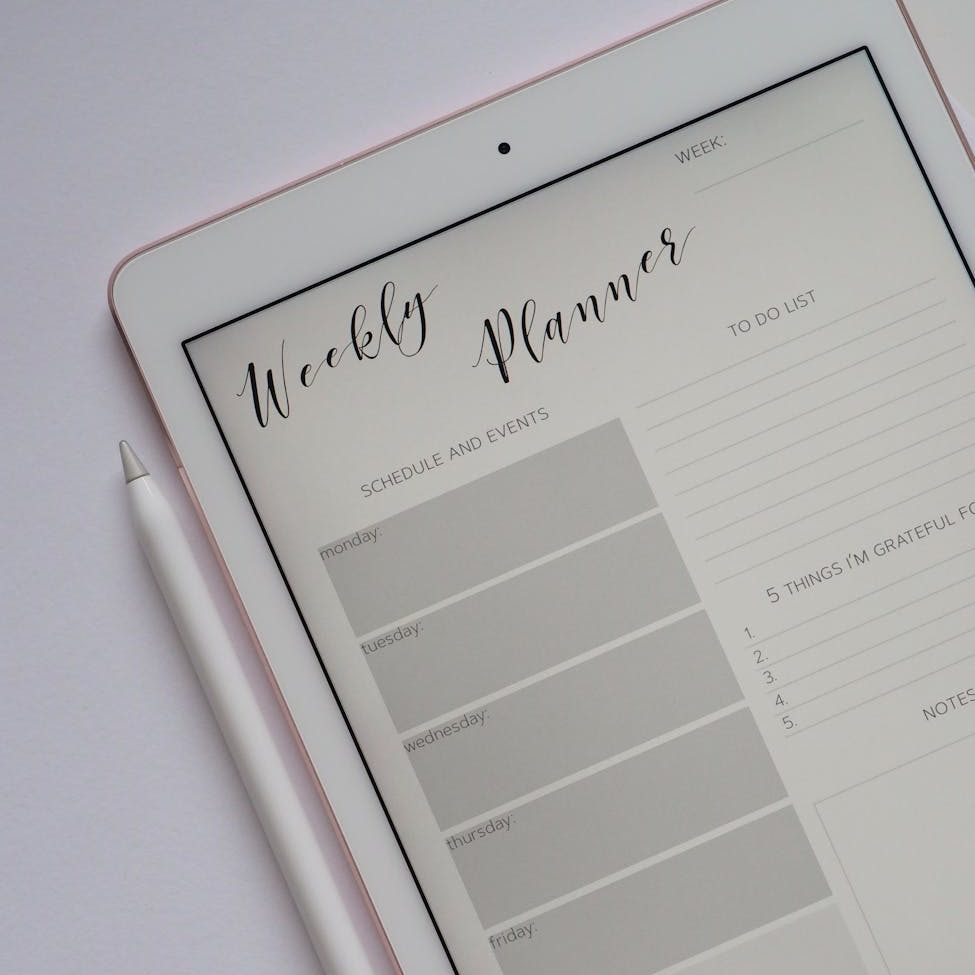
While digital tools can blur the lines between work and home, they can also help you manage your time more effectively. Use scheduling apps or even simple reminders to enforce your boundaries. After all, if your smartphone can help you track your steps, it can also remind you to log off!
Any.do is a great planner app that can help with everything from work to personal life.
For those aged 25–33, the call to redefine success is loud and clear. Work-life balance isn’t a luxury—it’s a blueprint for sustainable growth. By blending professional ambition with personal well-being, you set the stage for a richer, more resilient future.
So, as you navigate this exciting yet challenging phase, remember that your career should serve your life—not consume it. Embrace the balance, set those boundaries, and let your passions fuel both your work and your life. After all, you’re not just building a resume; you’re crafting a life worth living.


What’s your take? Drop it below!