Hiking the Sierra Nevada Mountains is a dream come true for outdoor enthusiasts—majestic views, crisp mountain air, and a chance to disconnect from the daily grind. But before you trade your office chair for a rocky trail, it’s crucial to gear up with a solid safety plan. Below are some innovative safety tips (with a dash of clever humor) to ensure your adventure remains memorable for all the right reasons.

Plan Like a Pro
Route Mapping & Weather:
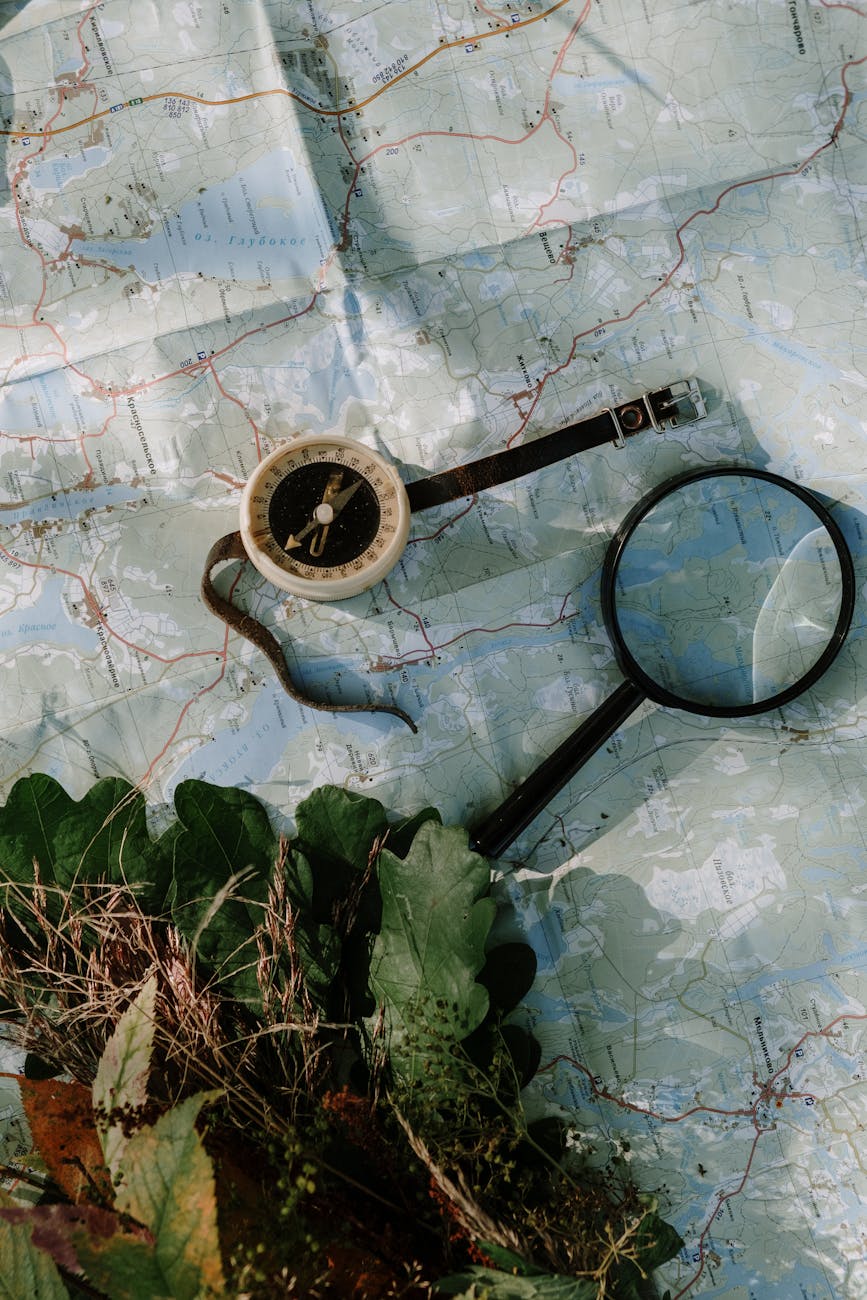
Before you hit the trail, study maps, check weather forecasts, and know your route inside and out. As Trek Sierra Nevada wisely advises, “Plan your route properly” by packing all essentials like maps, food, water, and the appropriate gear. Think of it as the difference between a smooth mountain hike and starring in your own unscripted “Survivor” episode.
Share Your Itinerary:
Always inform a friend or family member about your planned route and expected return time. When one hiker’s preparedness saved a 71-year-old’s night in the wilderness, it wasn’t just luck—it was planning paying off.

Dress for Success (and Safety)
Layer Up & Protect:
Weather in the Sierra Nevada can change as quickly as your favorite meme goes viral. Pack waterproof gear, extra layers, and sturdy hiking boots. Whether it’s sun, snow, or sudden rain, being prepared is the best way to dodge hypothermia and sunburn alike.
Proper Footwear & Equipment:
Sturdy boots are a must for rocky, uneven terrain. And don’t forget a good quality map and compass—your smartphone might run out of battery when you need it most!

Hydration, Nutrition & Altitude Awareness
Stay Hydrated:
The dry, thin air at high altitudes can dehydrate you faster than you can say “Mountain Dew.” Carry ample water—aim for at least a liter every couple of hours. Avoid alcohol on the trail; the mountains don’t mix well with your favorite celebratory beverage.
Nutrition is Key:
Fuel your journey with high-carb snacks to keep your energy up, especially since your body works harder at altitude. A balanced diet not only wards off hunger but also helps your body adjust to the reduced oxygen levels.
Acclimatize Gradually:
Altitude sickness can sneak up on even experienced hikers. Climb slowly, allow a day or two for your body to adjust, and recognize early symptoms—headaches, dizziness, or nausea—and respond by descending if necessary.
Wildlife & Environmental Preparedness
Bear & Wildlife Safety:
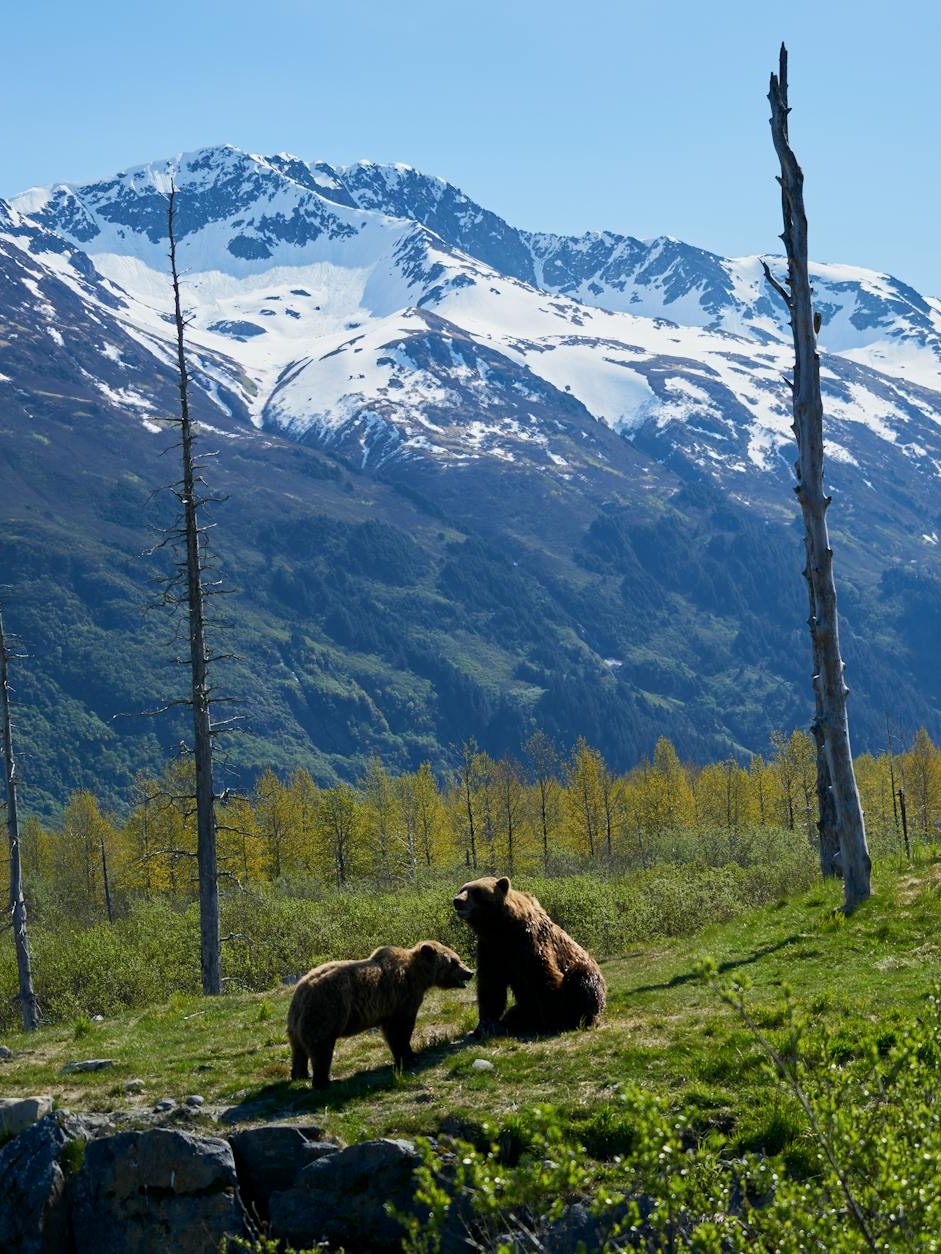
The Sierra Nevada is home to diverse wildlife. Store food securely—preferably in bear-proof containers—and keep a safe distance if you encounter animals. Remember, no creature wants to be your dinner guest (or your unwelcome neighbor).
Be Wary of Icy Trails & Other Hazards:
If you’re hiking in winter or early spring, icy conditions can turn a simple fall into a serious injury. Equip yourself with traction devices like crampons and microspikes, and always test the stability of surfaces before stepping on them.
Communication & Emergency Preparedness
Keep Communication Lines Open:
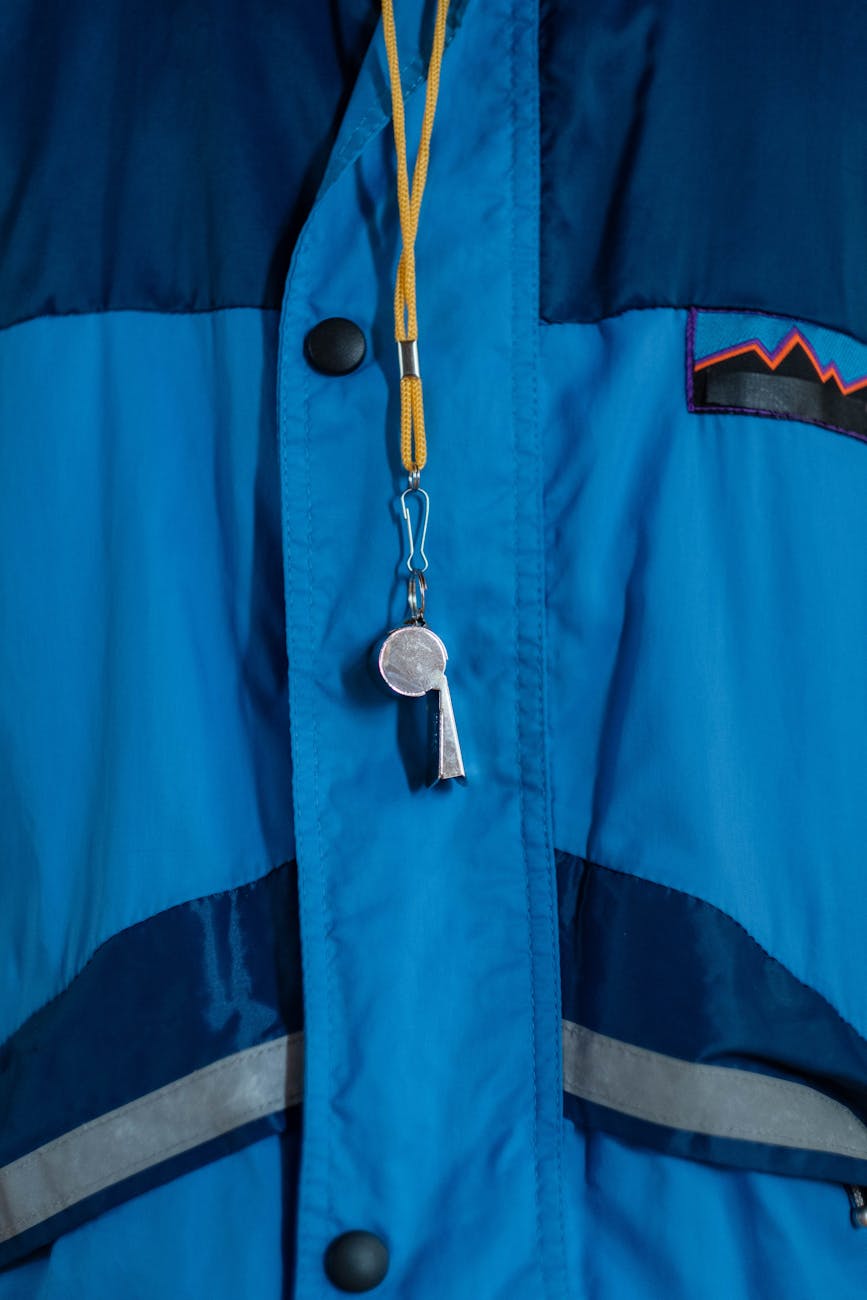
Cell service can be as unpredictable as mountain weather. Carry a fully charged mobile phone, a portable power bank, or even a personal locator beacon. Your gadget might be the lifeline you need in an emergency.
Pack a First-Aid Kit:
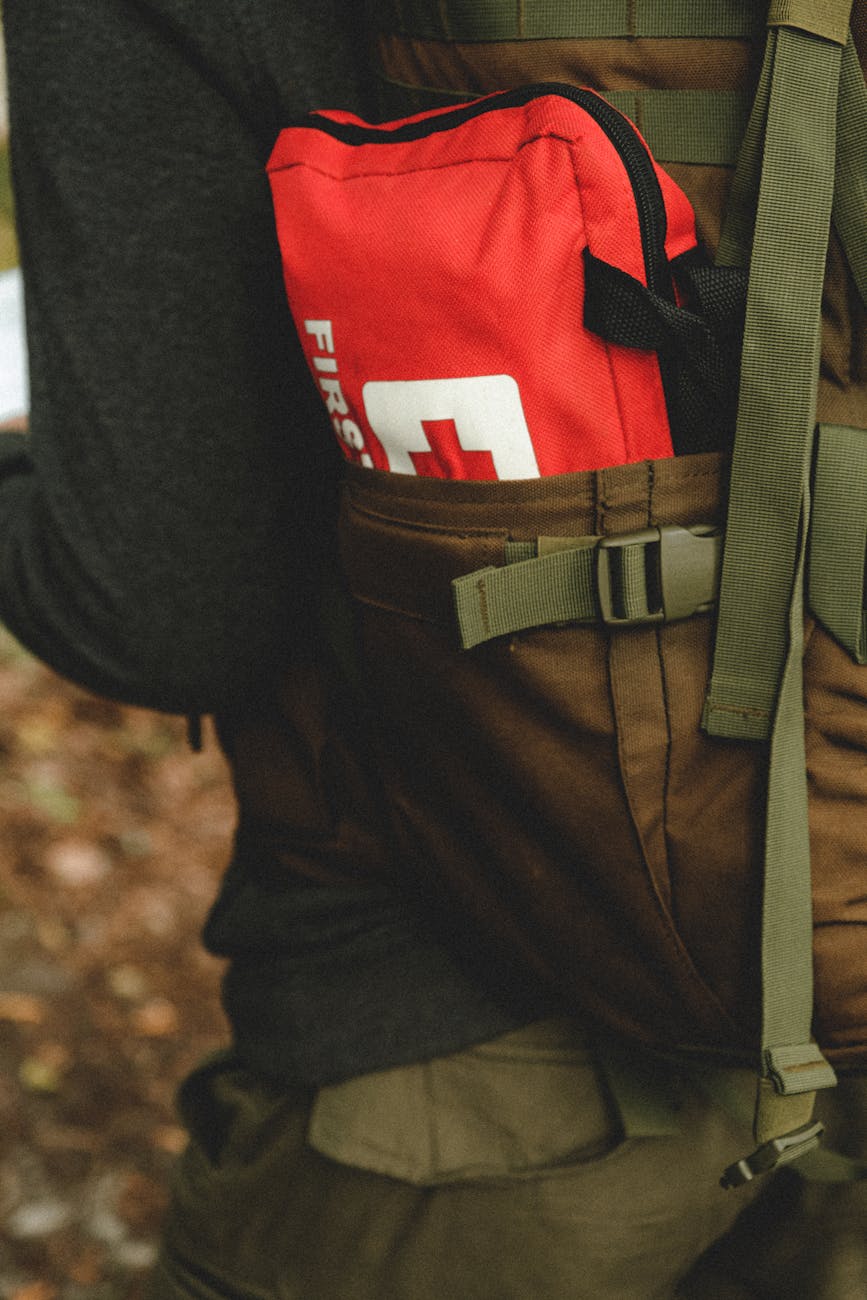
A compact first-aid kit, complete with essentials like bandages, antiseptics, and pain relievers, is indispensable. It’s not just about surviving the hike—it’s about enjoying it without unwelcome interruptions.
Mind the Group Dynamics
Hike with a Buddy:
There’s safety (and even a bit of camaraderie) in numbers. Hike with a partner or a group, and make sure everyone knows the plan. If someone falls behind, it’s time to slow down—the trail isn’t a race to the top, it’s a journey of discovery.
Respect the Trail & Others:
Adhere to park guidelines and stay on marked trails. Reckless behavior—like bypassing safety rails for “better views”—is a recipe for disaster. It’s better to admire the view safely than risk a fall that could ruin the day (or your life).
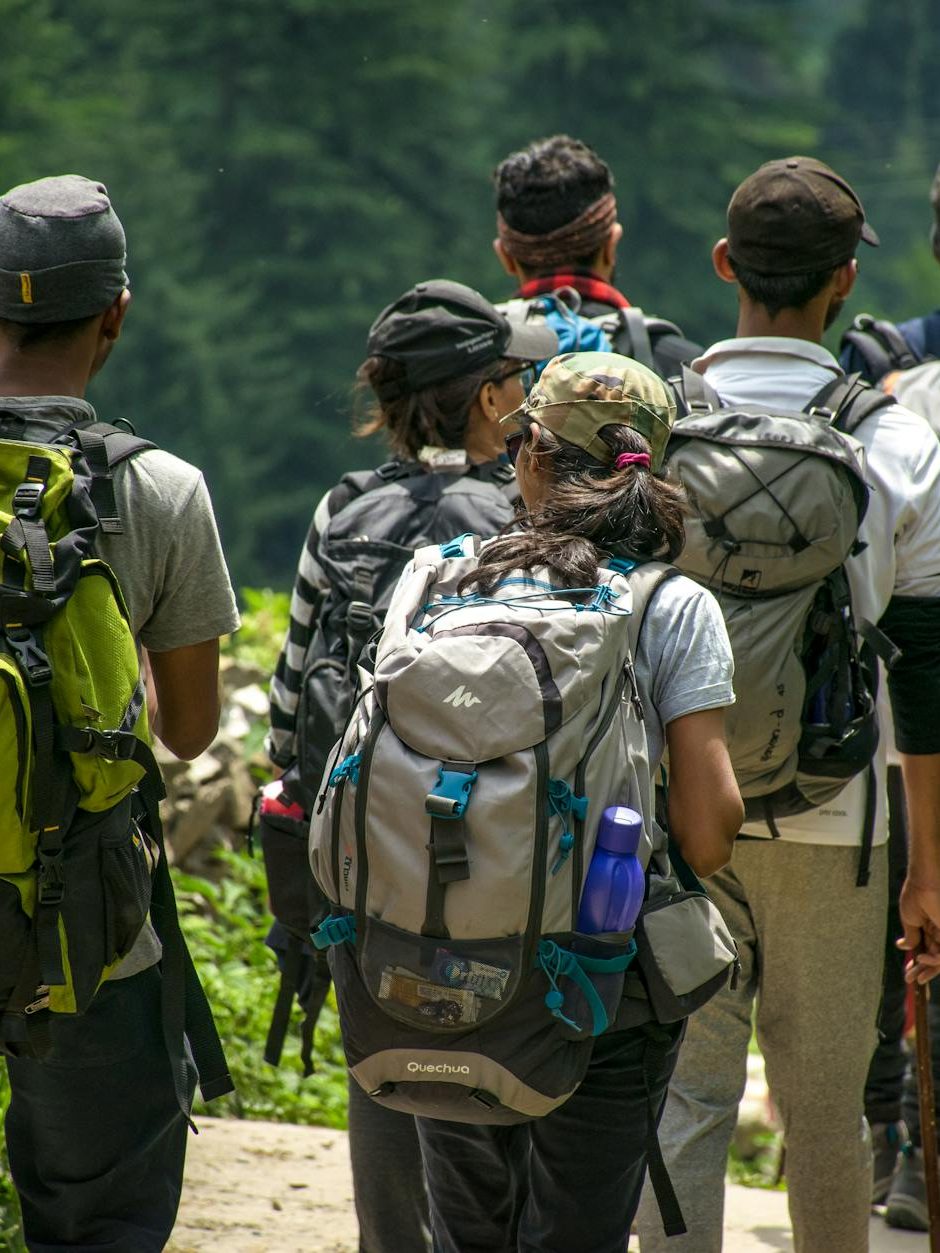
Hiking in the Sierra Nevada offers breathtaking beauty and a profound sense of freedom. By planning ahead, dressing appropriately, staying hydrated, acclimatizing properly, and respecting both nature and fellow hikers, you can transform your adventure into an experience that’s as safe as it is unforgettable. So pack your backpack, charge your devices, and hit the trail—safely, of course. After all, the mountains are calling, and they prefer you to answer with both caution and enthusiasm.


What’s your take? Drop it below!