It all began in the mid‑19th century when word of California’s gold fever spread like wildfire. Prospectors from across the globe—Americans, Europeans, and even adventurous souls from Asia—descended upon the Sierra Nevada with pickaxes in hand and dreams in their eyes. In 1848, gold was discovered, and by 1849 the region was abuzz with activity. Nevada County, with Nevada City as its crown jewel, quickly evolved from a rugged prospecting ground into a booming hub of mining innovation and enterprise.
The early days were all about the humble gold pan—swirling in a mix of water, sand, and a hopeful glimmer of fortune. But as the easy placer deposits dwindled, miners turned to more sophisticated methods. Hydraulic mining—using powerful jets of water to wash away entire hillsides—became a hallmark of the era, albeit a technique that would later earn notoriety for its environmental impact. Soon after, the advent of hard rock mining turned Nevada County into a true industrial powerhouse. Underground shafts delved deep into quartz veins, and monumental mines like the Empire Mine and North Star Mine churned out millions of ounces of gold.
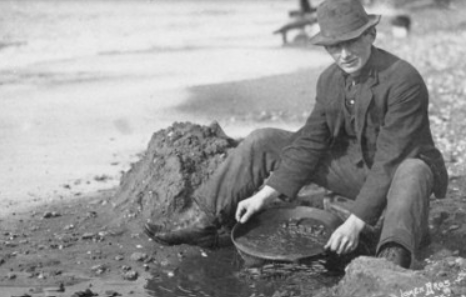

But let’s be honest—life in a 19th‑century mining camp wasn’t all glittering success. Hard labor, unpredictable weather, and a few less-than‑lawful characters (and, yes, a fair share of ghost stories) made for a rugged existence. Imagine spending your days dodging cave-ins and your nights huddled around a fire, trading tall tales about “Tommyknockers” (mischievous little spirits said to guard the mines) while secretly hoping your lunch bucket wasn’t about to be high‑graded by a sneaky miner. It was an era when every shovel of dirt might hide a nugget of fortune—and every shadow might conceal a bit of local lore with a cheeky sense of humor.
It wasn’t all work and no play, either. When the hard hats came off, the local vernacular featured colorful phrases like “Cousin Jack” and “Cousin Jenny”—a nod to the Cornish miners whose wit (and hearty pasties) enriched the cultural tapestry of towns like Grass Valley and Nevada City.
Communities Built to Last
Mining did more than fill coffers—it built communities. Nevada City and Grass Valley blossomed from humble mining camps into thriving towns adorned with Victorian architecture, bustling business districts, and even a few ghostly legends. The Nevada County Narrow Gauge Railroad, famously never robbed (thanks in part to the steely reputation of its builder), connected these communities and symbolized the unity and ingenuity of a region defined by its hard work and optimism.
More than just the mines would become living monuments to Nevada County’s Gold Rush legacy. The Holbrooke Hotel in Grass Valley was renowned for its welcoming atmosphere during the rough-and-tumble of the mining boom and housed miners and prospectors alike. Meanwhile the National Hotel in Nevada City had luxurious accommodations that symbolized the rapid prosperity of the Gold Rush Era. Both establishments continue to operate to this day offering modern comforts amide historic charm.
These towns weren’t simply resting places for miners; they were vibrant centers of culture and commerce. From elegant hotels to stagecoach stops, every brick and board whispered tales of triumph, hardship, and a dash of frontier mischief.


A Legacy That Shimmers Today
As the decades rolled on, the lure of gold eventually dimmed. By the mid‑20th century, with rising costs and shifting economic tides (and the government setting gold prices), many mines closed their doors for good. Yet, rather than fading into oblivion, Nevada County reinvented its relationship with its storied past. Historic sites like the Empire Mine State Historic Park and the North Star Mine now stand as living museums, where visitors can take a step back in time and experience the spirit of the Gold Rush firsthand.
The county not only preserves its heritage through museums, tours, and historical landmarks but also celebrates its past with community events that remind residents and visitors alike that sometimes the best stories are those born from the grit and glamour of a bygone era.
Moreover, Nevada County’s mining legacy paved the way for the modern spirit of innovation that the region is known for today. Techniques honed during the Gold Rush era not only shaped local industry but also influenced broader technological advances—from hydroelectric power to early telecommunication networks. In a way, every time you pass a landmark or ride a historic rail line, you’re experiencing the ripple effects of a golden past that continues to inspire ingenuity and progress.
So whether you’re a history buff, a curious traveler, or someone who simply enjoys a good story, Nevada County is rich with tales from the wild days of the old frontier. The next time you’re in this historical area, take a moment to appreciate the legacy of miners, pioneers, and innovators who turned gold dust into dreams and built a community that has stood the test of time.
May your own adventures be as rich as the history that surrounds you!


What’s your take? Drop it below!