Parenting is a bit like hosting a circus where your performers range from tiny, unpredictable acrobats to mini-adults with opinions. Amid the chaos, a few clever hacks can transform your daily routine from “Oh no, not again!” to “I’ve got this!” Below are five innovative strategies to help you create a harmonious schedule—customized for every age from baby to teenager.
Master the Art of Routine Planning
A well-structured day can feel like the secret ingredient in a perfect family recipe—even if sometimes it seems like you’re following directions for a piece of IKEA furniture without the manual.
Babies (0-2 years):
Consistency is key. Establish regular feeding, nap, and bedtime schedules. Use soft lullabies or white noise to signal transition times. Think of it as the baby version of a strict meeting agenda, minus the PowerPoint slides.
Toddlers (2-4 years):
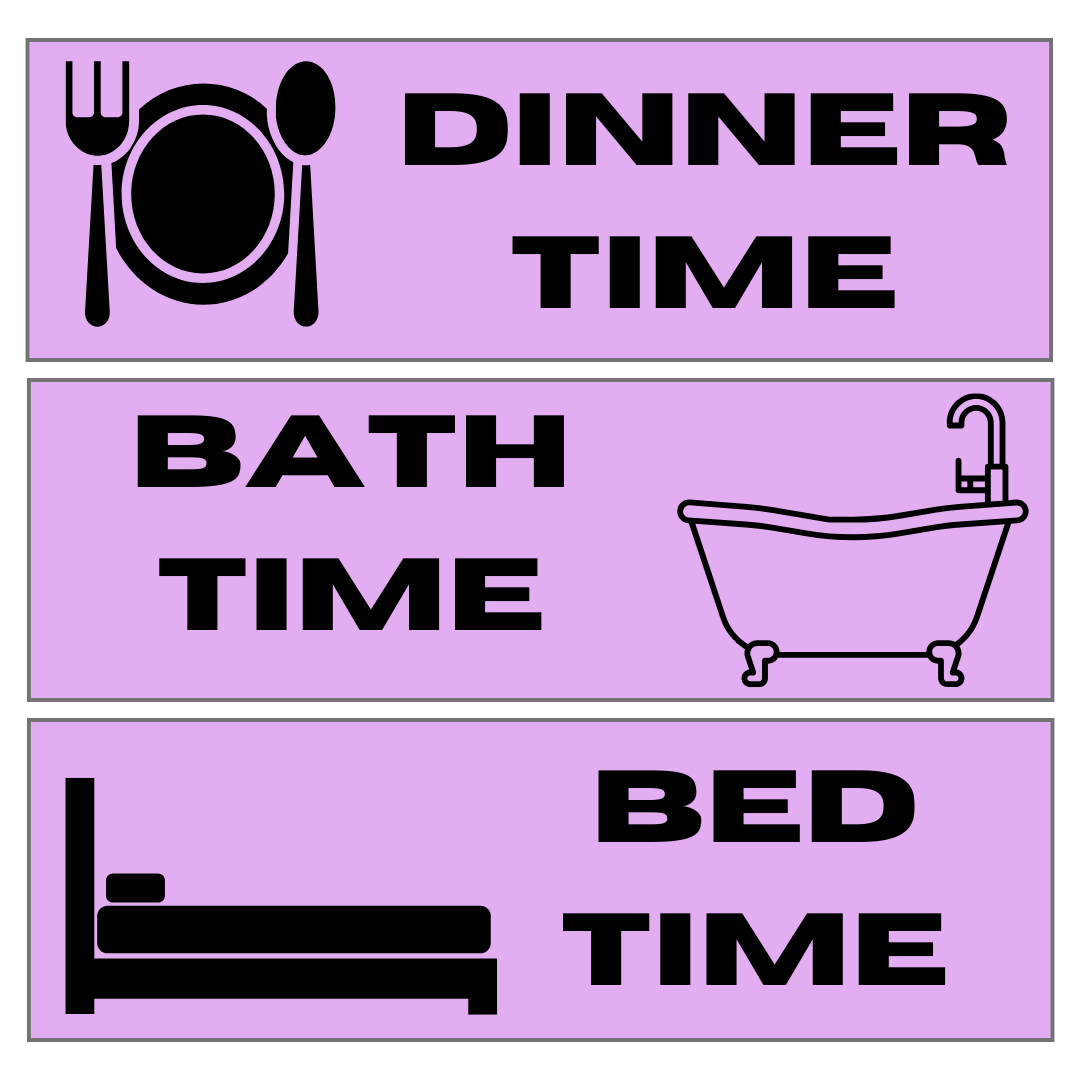
Create a colorful visual schedule. Use picture charts that clearly show the order of events (snack, playtime, bath, bedtime). Toddlers might not appreciate the finer points of time management, but they do love the excitement of checking off stickers—almost as much as they love a surprise dance party.

School-Aged Kids (5-12 years):
Involve them in planning their day. Whether it’s a paper planner or a digital calendar, give them ownership of their routine. This not only reduces morning rushes but also teaches responsibility. Plus, nothing beats the satisfaction of hearing “I planned my own schedule!” from your budding strategist.
Teens (13+ years):
Encourage them to use apps or planners to manage school, extracurriculars, and social commitments. Offer gentle guidance, but trust them with more independence. After all, the teenage years are a crash course in time management—and it’s best learned without constant parental oversight.
The Magic of Meal Planning
Meal times can be the calm before the storm or the storm itself. With a dash of planning, they can transform into a stress-free ritual that even the pickiest eater might appreciate.
Babies:
Pre-portion purees or baby-friendly bites. Batch-cooking these essentials means you’re not scrambling when hunger strikes—and you’re basically a culinary superhero in miniature.
Toddlers:
Keep healthy, bite-sized finger foods ready to go. Use fun, colorful plates to make each meal feel like a mini celebration (even if that celebration includes broccoli that only vaguely resembles trees).


School-Aged Kids:
Involve them in creating a weekly menu. From choosing a “Taco Tuesday” theme to setting the table, their participation makes them more likely to enjoy what’s on the plate. Plus, the cleanup becomes a team sport—with bonus points for anyone who actually helps.
Teens:
Empower them by teaching simple recipes. This not only boosts their independence but also lightens your load. And who knows? Their Instagram-worthy meals might just become the family’s new favorite.
Delegate, Don’t Dominate
While you might be the ringmaster of the household, sharing responsibilities can turn a chaotic routine into a well-rehearsed performance—where everyone has a role to play.
Babies:
Even though your little one isn’t managing chores yet, having a designated “play zone” with safe toys and soft music can create pockets of calm for both baby and parent.
Toddlers:
Turn clean-up time into a fun game. Encourage your toddler to tidy up by singing a cleanup song or setting a timer and making it a race. It’s amazing how a little competition can transform toy chaos into order in record time.

School-Aged Kids:
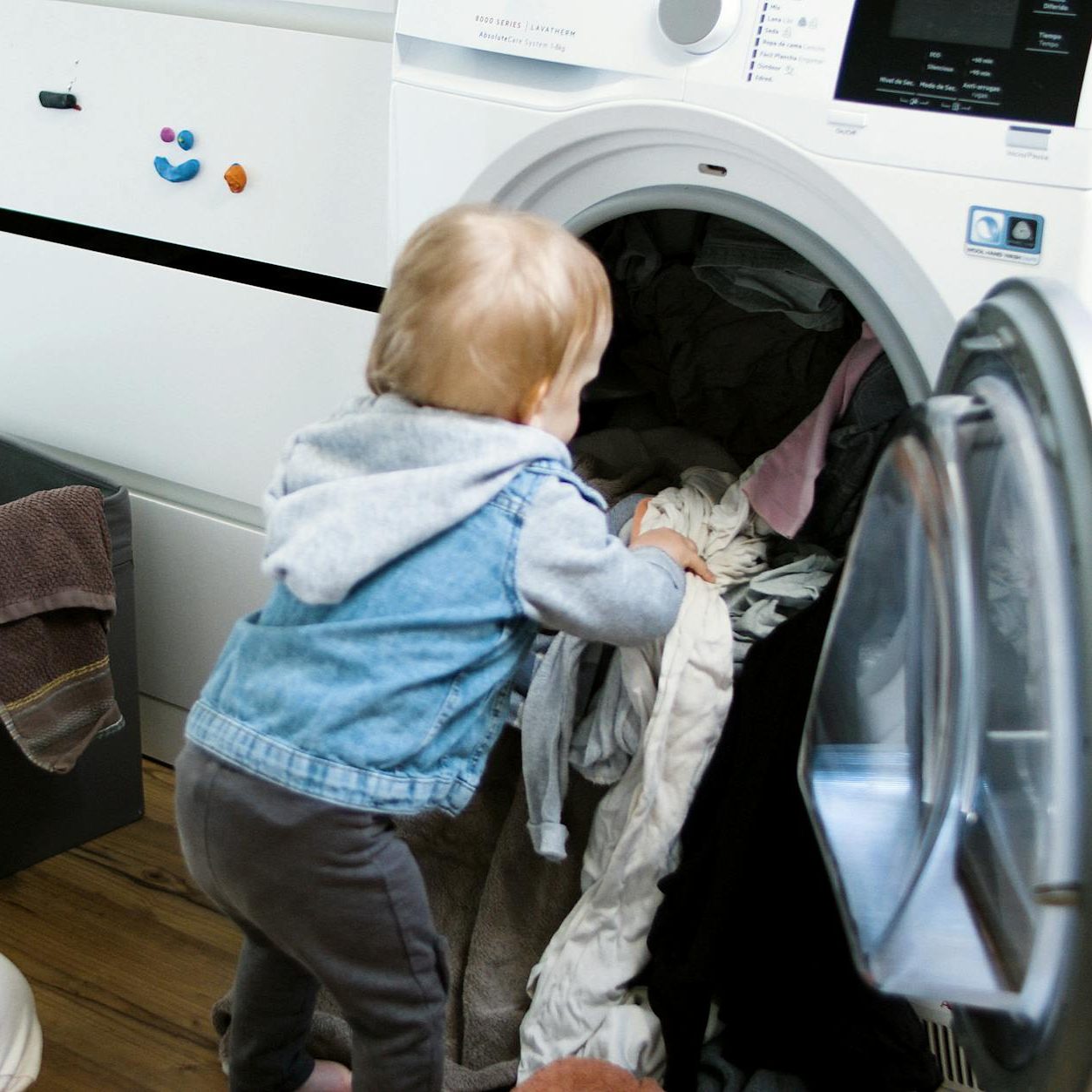
Assign age-appropriate tasks, like setting the table, feeding a pet, or organizing their own room. This teaches responsibility while giving you a breather—and it might even save you from the “Where did all these socks come from?” mystery.
Teens:
Let them handle larger responsibilities, such as laundry, meal prep, or even planning family outings. A little autonomy now means they’ll be more self-reliant (and maybe even learn the difference between “wash” and “whisk”) in the future.
Harness the Power of Technology
In a world where even your toaster is smart, why not let technology give your daily routine a helping hand? The right apps and gadgets can streamline activities and provide a much-needed safety net.
Babies:
Use smart baby monitors and sleep apps to keep tabs on your little one without hovering. This way, you can catch a moment for yourself without worrying that the baby might miss its favorite lullaby.
Toddlers:
Fun timers (think of ones with goofy sounds or animations) can signal transitions between activities. This playful approach turns “time to clean up” into a mini-adventure—almost like a countdown to recess.


School-Aged Kids:
Digital calendars or task management apps can help them track homework, sports practices, and free time. It’s a subtle nudge that even the busiest kid can manage time like a pro—even if it means a bit more screen time for planning.
Teens:
Encourage the use of productivity apps that help them juggle studies, extracurricular activities, and social engagements. It’s the digital equivalent of handing them the keys to the family command center (without the risk of them “accidentally” locking you out).
Prioritize Self-Care and Family Mindfulness
A stress-free routine isn’t just about ticking off tasks—it’s also about nurturing a calm, positive atmosphere for everyone. Remember, a happy parent often means happy kids, even if it takes a little creativity to achieve that zen state.
Babies:
Create a soothing environment with gentle music, soft lighting, and a calm feeding routine. A relaxed baby can set the tone for the entire household—like the opening note in a symphony.
Toddlers:
Introduce simple mindfulness games—maybe a “quiet time” corner with sensory toys or a mini yoga session. It’s not only fun but also a great way to manage those inevitable toddler tantrums.


School-Aged Kids:
Incorporate family mindfulness practices, such as a brief meditation or a gratitude circle at dinner. These moments can anchor the day, giving everyone a chance to pause and appreciate the little wins (like finding that missing sock).
Teens:
Encourage self-care through activities like journaling, meditation, or even a tech-free walk. When teens see that self-care isn’t a luxury but a necessity, they’re more likely to embrace it—and who knows, they might even share their newfound zen tips with you.
Parenting doesn’t come with a one-size-fits-all manual, but with these five hacks, you can tailor your daily routine to accommodate every age and personality. From the predictability of a solid routine to the innovative use of technology, each hack is designed to help you reclaim your day—and perhaps even find a moment to laugh at the beautiful absurdity of it all.
Remember: even on days when the circus feels more like a three-ring disaster, these strategies can help you find balance, instill responsibility, and, most importantly, keep the humor alive. After all, in the grand performance of parenting, a little wit goes a long way in transforming chaos into a well-rehearsed act.
Happy parenting!


What’s your take? Drop it below!