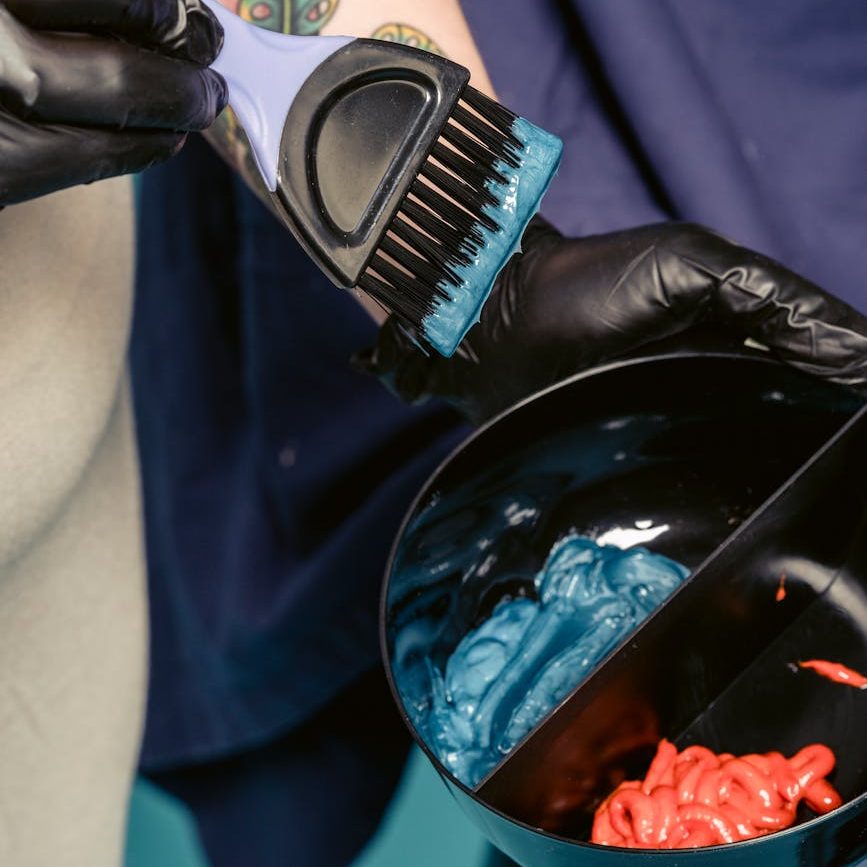
If you ask someone over 50 what an appropriate hair color is, you’ll probably get an answer like, “As close to your natural color as possible” or “Any color that occurs in nature.” And while that’s not a bad approach, let’s be real—it’s also a little, well, boring.
With the explosion of vibrant hair dyes, safer hair care products, and a growing culture of self-expression, kids today are more inclined than ever to ask for a pop of color in their hair. But this seemingly harmless request is often met with controversy. Is it safe? Is it age-appropriate? Will it make them less serious about school? Will they regret it later?
Brightly colored hair is also often unfairly associated with stereotypes, such as being seen as “attention-seeking due to neglectful parents” or “a troubled youth.” During my high school years, before I took a job that restricted my ability to experiment with vivid colors, I often found myself dreaming of adding streaks of color to my hair, inspired by my idol Avril Lavigne. However, whenever I presented the idea to my mom, she would respond with concern, asking, “But what will my friends think?”
Years passed and once I turned 18, an “adult” as I would’ve said then, I dove head first into the world of vivid colors and “edgy” hair. By now I’ve rocked just about every hair color except green (don’t ask, I just never got around to it), meaning I’ve had more than my fair share of experience with hair dye. So when my six-year-old daughter asked for purple hair “like mom’s”, I knew this wasn’t just a spur-of-the-moment request. She’s never known me to have a “normal” hair color, so why would she see vibrant hair as anything but, well, normal?
That said, dyeing a child’s hair isn’t something to take lightly, and it comes with a few key considerations.
The Safety Factor
The biggest concern people have is whether hair dye is safe for children. Traditional permanent dyes contain harsh chemicals like ammonia and peroxide, which are not recommended for kids under 16. These chemicals can be irritating to the scalp and may even cause allergic reactions so most salons won’t risk dying the hair of someone younger than 16.
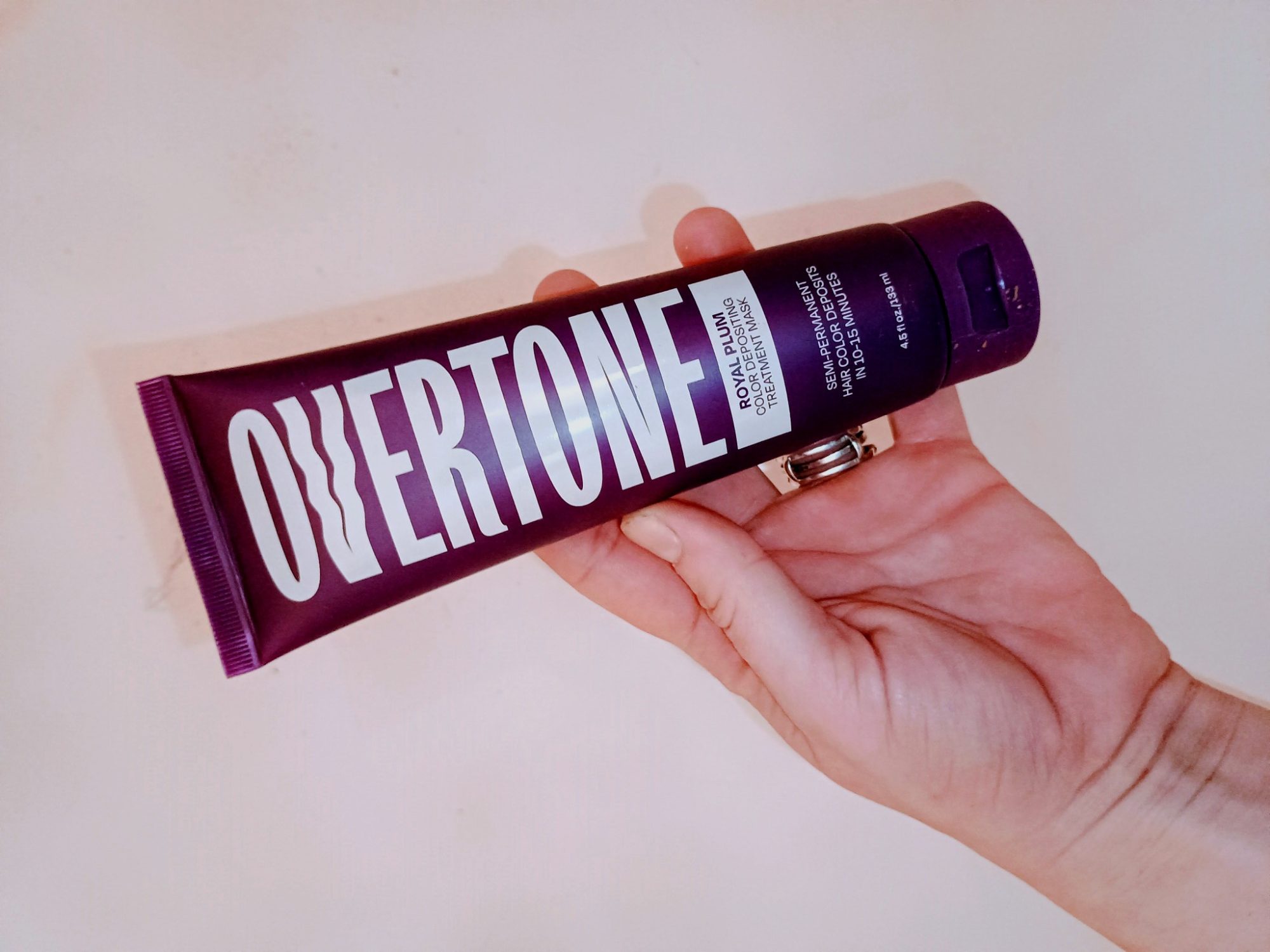
Knowing this, and being a DIY hair stylist for the past 15 years, I opted for Overtone, a vegan, cruelty-free hair stain that doesn’t contain harsh chemicals. It sets in just 15 minutes and washes out gradually without damaging hair. This made it a great choice for my daughter’s first hair color adventure.
Overtone is similar to the well-known brand, Splat, but is formulated to work on unbleached hair meaning even brunettes can rock vivid colors without damaging their hair.
Before dyeing any child’s hair, always:
Check the ingredients:
Avoid ammonia, peroxide, and PPD (paraphenylenediamine).
Do a patch test:
Even “safe” dyes can cause allergic reactions in sensitive skin.
Consider temporary options:
Hair chalks, sprays, and color-depositing conditioners allow kids to experiment without a long-term commitment.
The Maintenance Dilemma
Coloring hair isn’t a one-and-done situation—it takes upkeep. Bright colors fade quickly, especially on hair that hasn’t been pre-lightened. Kids need to understand that their vibrant new look might only last a few washes unless they commit to maintenance.
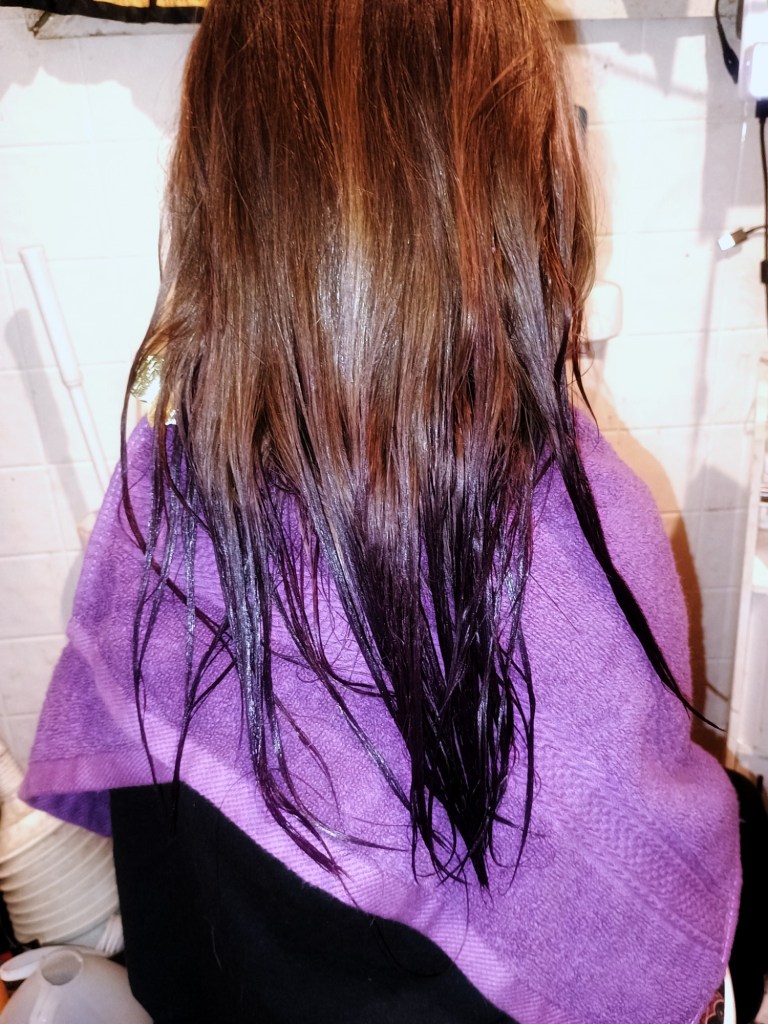
Proper Hair Care for Vibrant Color Includes:
Using sulfate-free shampoos
Washing hair less frequently
Refreshing color every few weeks
Before committing to a color, ask your child:
Do you understand the process of upkeep?
Are you okay with the color fading or needing regular touch-ups?
The School & Social Factor
Not all schools are on board with vivid hair colors. Some have strict dress codes that consider unnatural hues “distracting.” Before breaking out the dye, check with your child’s school to avoid any surprises.
Beyond school, consider how your child will handle potential reactions from peers. Some kids will think their new hair is the coolest thing ever. Others might not be so kind. Helping your child prepare for different reactions can ensure they’re making this decision for themselves—not for validation from others.
At the end of the day, hair dye is a form of self-expression. If a child wants to try it (and it won’t interfere with school rules or other commitments), why not let them? As long as it’s done safely and with their full understanding of the process, it can be a fun way to let them experiment with their look.
My daughter now proudly tells everyone she has hair like Mom’s, and honestly? That makes me happier than any shade of pink, purple, or blue ever could.
Would you let your child dye their hair? Let’s discuss in the comments!
My Ever Changing Hair






What’s your take? Drop it below!