Anyone who has spent even a minute with kids knows one universal truth: once they start talking, they never stop. The constant stream of chatter and noise becomes so much that you either learn to tune it out or risk turning into Jack Nicholson from The Shining. Today, while my kids were in full ramble mode, I found myself on the edge of a sensory overload. To dodge an anxiety spiral, I slipped into another room and there had an epiphany: as adults, we’ve all but lost the magic of make-believe.
That’s not to say we lack imagination altogether. But think about it: as kids, if someone claimed to have some pudding, it existed. No questions asked. Everyone joined in, asking for some or trying to steal a bowl that wasn’t there. It was real, and that was that and no one could tell us otherwise. (Cue the Hook food fight scene if you need a visual.)
So, why does this ability fade? Thankfully, there’s an explanation.
Kids: Masters of Make-Believe
While it’s easy to assume that kids are masters of make-believe simply because they don’t face the stresses of adult life, there are actually several key factors that explain why children are natural experts at imaginative play.
Less Reality-Bound Thinking:
Kids haven’t yet developed the heavy-handed critical thinking or sometimes painful social awareness that adults carry. They’re less constrained by what’s “real” and can embrace fantastical scenarios effortlessly.
Developmental Need for Exploration:
Pretend play is more than just fun; it’s essential for cognitive growth. It helps kids practice social skills, explore different roles, and sharpen problem-solving abilities.
Openness to Possibilities:
Children have a natural knack for imagining endless possibilities. They’re not bogged down by the limits of what they “know” to be true.
Social Encouragement:
Caregivers often promote pretend play, encouraging kids to flex their imaginations. This further strengthens their ability to embrace make-believe as a vital learning tool.
Do Adults Ever Play Make-Believe?
While adults may not be as spontaneous in their pretend play, we’re not entirely hopeless. There are some ways we tap into our imaginative side.
Creative Outlets:
Writing, painting, drawing, or even daydreaming let us flex those creative muscles.
Playfulness in Life:
Maintaining a playful attitude keeps us curious and engaged. This can boost creativity, improve problem-solving, and even enhance well-being.
Brainstorming Sessions:
Setting aside time to brainstorm ideas, whether for personal projects or work-related tasks, encourages free-thinking.
Role-Playing Games (RPGs):
Participating in tabletop or online RPGs like Dungeons & Dragons or World of Warcraft allows adults to adopt fictional personas and explore elaborate narratives.
Bringing Back the Magic
Adults might not be able to fully reclaim the uninhibited imagination of childhood, but we can certainly make room for it all. Take a moment to daydream, indulge in creative hobbies, or let yourself play alongside the little ones in your life. Not only will it make you feel more connected to them, but it might also remind you of the magic we lose somewhere along the way to adulthood.
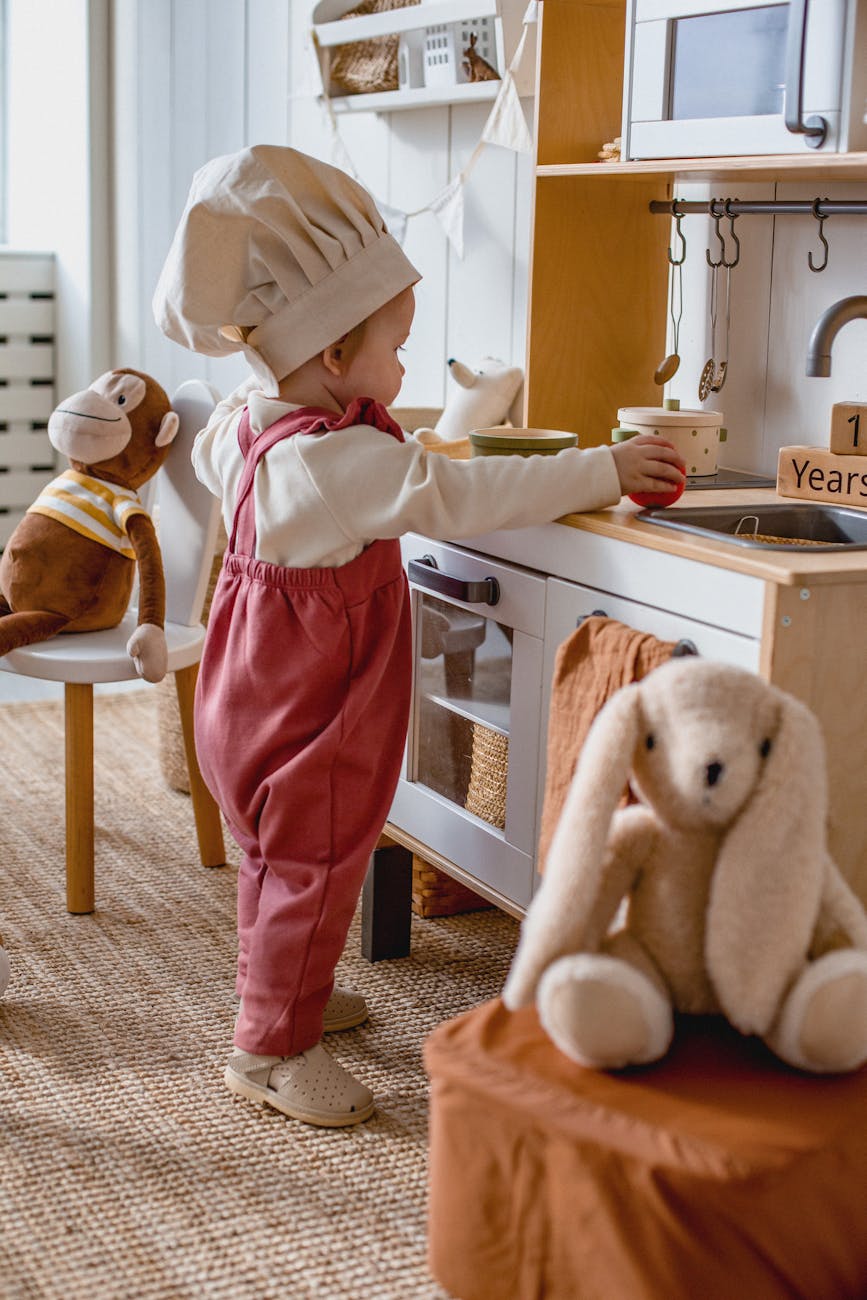
So, next time your kids “serve” you invisible tea or offer you a “homemade” mud pie, just play along! You might feel a little spark of that childhood wonder return that we all eventually find ourselves searching for.



What’s your take? Drop it below!