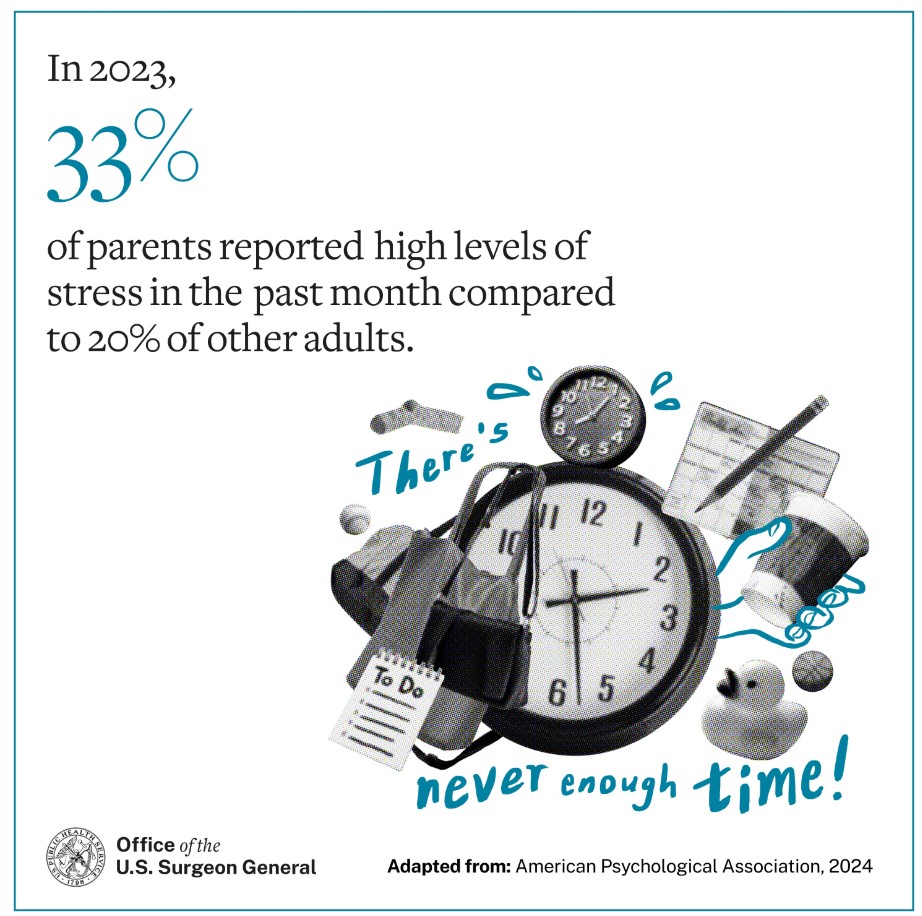
Parenthood is often referred to as one of life’s greatest joys, but it also brings an immense amount of stress that significantly affects mental health. Recent statistics paint a startling picture of this reality, revealing that parents consistently report higher levels of stress compared to their non-parent counterparts. In 2023, 33% of parents reported experiencing high levels of stress in the past month, in stark contrast to only 20% of other adults. Additionally, nearly half of parents—48%—report that most days, their stress is overwhelming, while only 26% of non-parents feel this way.
Stressors Parents Face
The role of a parent comes with some serious stressors. These can include, but are not limited to:
- Financial Strain: Economic instability and the pressure to provide can lead to severe financial strain. Parents often feel the weight of financial responsibility, which can greatly increase stress levels.
- Time Demands: Balancing work, family life, and personal time is nearly impossible. Parents frequently struggle to find time for self-care amid the numerous demands of parenting.
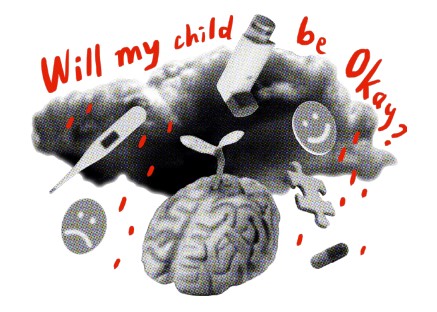
- Children’s Health and Safety: Concerns about their children’s health and safety are at the forefront of parents minds. The desire to protect and provide can create a perpetual sense of anxiety.
- Parental Isolation and Loneliness: Many parents find themselves isolated, especially new parents who may struggle to connect with others or feel distanced from pre-parenthood friendships. This isolation can lead to feelings of loneliness and depression.
- Technology and Social Media: While technology can provide support and connection, it can also add pressure. Parents may increase stress or feelings of inadequacy from comparing their parenting to those of the latest trend.
- Expectations & Children’s Futures: Parents may feel the pressure of society’s expectations regarding child-rearing, education, and future success. The idea of wanting the best for their children can cause significant stress.
Mental Health Conditions Among Parents
Mental health conditions disproportionately affect parents and caregivers, reflecting broader social determinants of health. Factors such as family or community violence, poverty, racism, and discrimination can significantly increase the risk of mental health conditions. Additionally, how these conditions manifest can differ based on things like: gender, family structure, and individual circumstances. For example, mothers face unique postpartum challenges, while single parents suffer additional economic and emotional burdens.
How to Support Parents & Caregivers
Those around parents—friends, family, and other community members—can play a vital role in helping to lessen some of the stressors they face. Here are some easy ways to offer support:
- Offer Practical Help: Reach out and offer assistance with household chores or everyday tasks. Whether it’s running errands, babysitting, or helping with meal prep, small gestures can make a significant difference.
- Connect Regularly: Maintain regular contact with the parents and caregivers in your life. Simple check-ins help ward off feelings of isolation and remind them they are not alone in their journey.
- Educate Yourself: Take some time to learn about the mental health challenges parents and caregivers may face. Understanding their struggles will lead to being more emphatic and providing greater support.
Tips for Parents to Reduce Stress
For parents, practicing regular self-care strategies is needed to successfully manage stress. Here are some real world tips:
- Prioritize Your Self-Care: Remember that caring for yourself is key to caring for your family. Make time for activities that bring you joy and relaxation, whether that’s exercising, reading, or pursuing a hobby.
- Nurture Connections: Build and maintain connections with other parents and caregivers. Sharing experiences and challenges can foster a sense of community and relieve feelings of isolation. Most public libraries have parent groups or information on local groups/clubs.
- Knowledge is Power: Get information about mental health care options available in your area and keep them handy. This will enhance your ability to seek help when needed.
- Recognize Mental Health Challenges: Pay attention to how mental health issues present in your life. Acknowledge these challenges and do not hesitate to seek professional help when needed.
The stress of being a parent is at times overwhelming, but recognizing stressors and understanding their impact on mental health is the first step toward finding balance. Parents deal with tremendous pressures, but they don’t have to bear them alone. By building supportive communities and prioritizing self-care, parents can navigate the challenges of parenthood while maintaining their mental health.
If you or someone you know is struggling, remember that help is always available, and it’s okay to seek support.
—LIFELINE RESOURCES—
988 Suicide & Crisis Lifeline
Call or Text 988
Chat with trained crisis counselors at 988lifeline.org
National Maternal Mental Health Hotline
24/7 confidential support for mom’s or their loved ones facing a crisis
Support available in English or Spanish
Call or Text 1-833-TLC-MAMA (852-6262)


What’s your take? Drop it below!