There’s something magical about Nevada County’s small towns—our winding streets, historic buildings, and lazy summer days by the river. But lately, I can’t help feeling like our charm is slipping away. Tourism is booming, and while it’s good for local businesses, it’s starting to feel like the very thing that makes us unique is being swallowed by an influx of visitors who treat our home like a playground rather than a community.

Why Tourism Is on the Rise
Let’s be real: we’re on the map now. Tourism across California is hitting record highs—statewide travel spending hit $157 billion in 2024. In our region, North Lake Tahoe’s travel spending alone jumped by 3.7% in just one year, from $1.28 billion in 2022 to $1.32 billion in 2023. Travel-related jobs also climbed 4.2% while earnings soared 11.2%. Add in the record-breaking 2022–2023 Sierra Nevada snow season, which sent skiers flocking to Boreal and Sugar Bowl, and you’ve got a recipe for non-stop visitors.
Locally, Nevada County’s leisure and hospitality jobs shot up by 14.3% in 2022, with another surge expected over the next few years. Festivals, hiking trails, historic tours—these are all part of the reason our little slice of paradise is on everyone’s bucket list.


When Tourism Becomes Too Much
But here’s the thing: when I’m driving down Highway 49 and reach the river grade, I don’t see charm. I see chaos.
Every single time I drive over the South Fork Bridge, I encounter people—sometimes families with kids—walking directly down the middle of the lanes like they’re on a Sunday stroll through downtown. At minimum, I spot five people crossing or outright ignoring the white line while as if the highway itself is part of the adventure. And yes, I get it: parking near the South Fork of the Yuba is basically a gladiator event, and the lot is far too small to accommodate the summer crowds. Still, walking in the middle of a state highway isn’t just inconsiderate—it’s downright dangerous.
If you drive in the direction of the river, there are signs everywhere warning about: no barbecues, no alcohol, and no glass containers. Yet on any given day from the South Fork to Oregon Creek (and beyond), you’ll see exactly that: people barbecuing, cracking open bottles, and treating the river like their private backyard.
Where is law enforcement you ask? Good question. I can count on one hand the number of times I’ve seen a state parks officer patrolling these popular spots during peak season.
Plus all those tourists leave a trail—literally. Trash on highway shoulders and river edges expands every summer: disposable barbecues, glass bottles, and picnic detritus pile up faster than organizers can post signs. Nevada County’s state-mandated separate food-waste pickup began in January 2025, and while WM reports that over 1,000 tons of organic waste have been collected to date, the contrast with littered riverbanks is stark.
Local Struggles Behind the Glam
Meanwhile, local families are losing ground. Tourism may have boosted big-picture income, but basic life is getting harder. Across California, food insecurity affects 22% of all households and 27% with kids, and food banks are seeing surging numbers while donations decline. CalFood funding could be slashed by $50 million this summer—drastically cutting what supports small food banks like ours.
Here in the Nevada County area, costs are rising: between food prices up ~25% (2019–2023) and skyrocketing housing and utility bills, locals are skipping nights out. Restaurants and shops are being bought and flipped by big players, who hike prices because they know tourists will pay. The result? Locals feel priced out of their own towns.
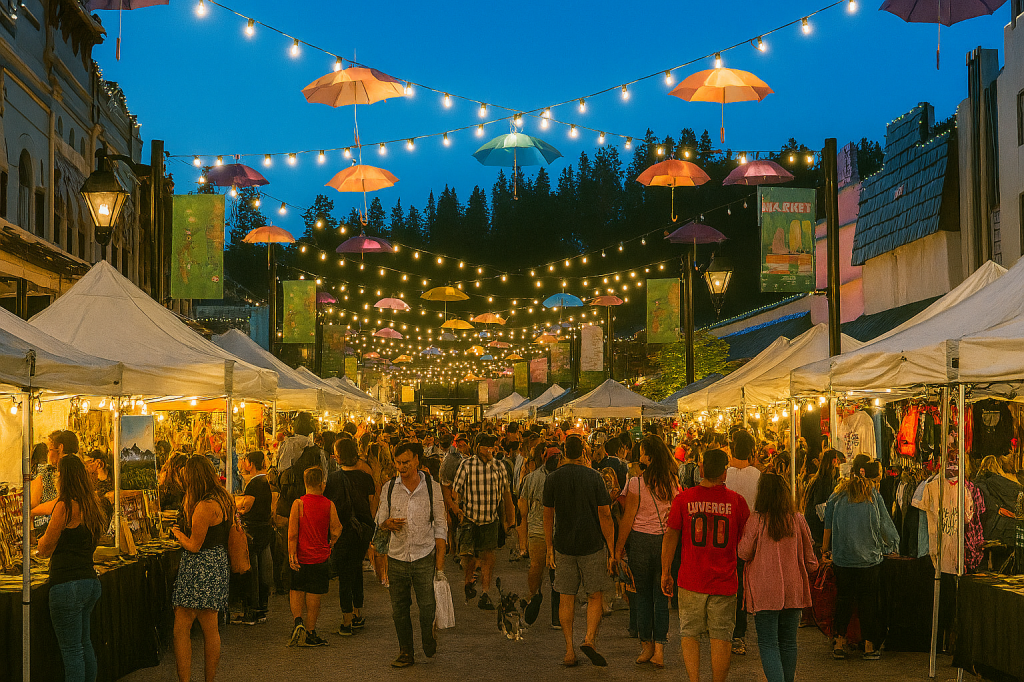
All of this raises a scary question: what happens when tourism fades?
It’s the cycle small towns risk everywhere. Maybe next year the “it” title goes to another getaway, or worse—something awful marks our reputation. And once the tourists vanish, we’re left holding inflated costs, fewer local hangouts, and empty parking lots.
We need more affordable stores and restaurants that “fight for the little guy.” Prices should allow neighbors to grab a burger or coffee without sweating over their bills.
Finding a Balance
This isn’t about pointing fingers at any one agency, it’s about protecting our community spirit before charm gives way to chaos. Whether it’s adding more parking, enforcing safety rules, restoring food-bank funding, or encouraging local businesses to keep prices fair, we can turn the tide without losing our soul.

What Do You Think?
How do you feel about the growing summer tourism? Do you see safety issues?
Drop your thoughts in the comments below, and let’s brainstorm solutions together
If you love hearing real talk about life in Nevada County, subscribe to the blog so you don’t miss the next discussion.


What’s your take? Drop it below!